

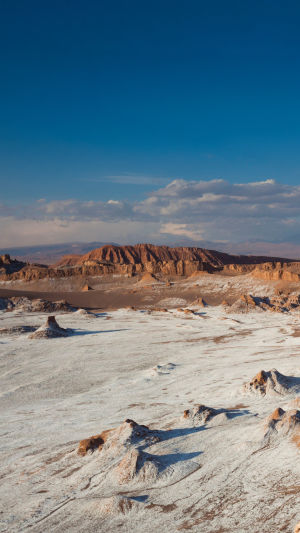
In northern Chile, the Atacama Desert offers landscapes that look unlike almost anywhere else on Earth.
One of its most remarkable attractions is Valle de la Luna, widely known as Moon Valley, a natural area near San Pedro de Atacama shaped by wind, mineral deposits, and long periods of erosion.
Its sculpted ridges, pale rock formations, and sweeping sandy expanses make it a rewarding destination for travelers interested in geology, photography, and outdoor exploration.
<h3>Landscape of Moon Valley</h3>
Moon Valley lies within the Los Flamencos National Reserve, around 13–15 kilometers from San Pedro de Atacama. The landscape features dry valleys, unusual rock formations, dunes, and mineral-rich surfaces that create a range of textures and colors.
The area developed over long periods as environmental forces gradually shaped its terrain. Wind and occasional water erosion helped form the ridges and hollows visible today. The dry climate also preserves many of the landscape’s distinctive features, making the valley an interesting destination for visitors curious about the natural processes that shape deserts.
Rather than expecting green forests or flowing streams, travelers should come prepared for an open, rocky environment with limited shade. The scenery is particularly appealing to photographers because the shapes and colors shift with the position of the sun.
<h3>Visit the Main Viewpoints</h3>
A visit usually involves several stops along designated routes, allowing travelers to appreciate different parts of the valley. The Cordillera de la Sal, or Salt Mountain Range, is known for its layered terrain and striking geological formations. Its unusual contours provide a clear sense of how erosion has shaped the surrounding desert.
The Three Marias is another well-known rock formation in the area. Its distinctive shapes make it a popular photography stop, although access restrictions can apply to particular viewpoints and paths. Follow current signs and instructions rather than approaching formations for a closer photograph.
Some sections require short walks over uneven ground. Comfortable closed shoes are more suitable than sandals, and visitors should remain on marked trails to protect the fragile terrain.
Valley of the Moon
<h3>Experience the Desert at Sunset</h3>
Late afternoon is a popular time to visit Moon Valley because the changing sunlight brings out different tones in the surrounding mountains and rock formations. As the sun lowers, surfaces may appear golden, reddish, or purple, depending on the weather and viewing direction.
Many visitors choose an organized afternoon excursion from San Pedro de Atacama. These trips commonly combine several viewpoints with time for short walks and photography. A shared half-day tour may cost approximately US$32–50 per person, while private outings can be more expensive.
The Ckari viewpoint has been a well-known location for observing the landscape, but access can change because of safety assessments or maintenance. Check the current operating notices before planning a visit around a particular lookout. Evenings can become cool after warm afternoons, so bring a light jacket. Arrive with enough time to enjoy the stops without rushing, and follow the guide’s instructions about when to leave each viewpoint.
<h3>Plan Your Visit and Entrance Costs</h3>
Moon Valley is close enough to San Pedro de Atacama for a half-day outing. The entrance fee for general visitors is currently listed at approximately US$12 per person. Reduced rates may be available for eligible visitors, and prices can change. Tickets should be purchased in advance through the authorized booking system, with the date and entry conditions checked carefully.
Some tours exclude the entrance ticket, so confirm whether transportation, guiding services, and admission are covered before paying. Travelers who prefer independent transport can visit by private vehicle or bicycle during permitted entry hours.
<h3>Pack for the Atacama Climate</h3>
The desert environment calls for practical preparation. Bring plenty of water, sunscreen, sunglasses, and a hat, as shade is limited and sunlight can be intense. Wear comfortable shoes with good grip for walking over rocky surfaces. Temperature changes are another important consideration. Daytime conditions can feel warm, while the late afternoon and evening may become much cooler. Lightweight layers make it easier to adjust throughout the visit.
Carry a charged phone or camera, but avoid spending the entire trip taking pictures. Pause to appreciate the landscape, and remember that removing rocks, salt, or other natural materials can damage the site. Responsible visits help preserve the area's unusual features for future travelers.
Moon Valley offers a distinctive introduction to the Atacama Desert, combining remarkable geology, accessible viewpoints, and beautiful late-day scenery. Whether you join a guided sunset trip or explore independently under the current access rules, the experience rewards patience and preparation.


