

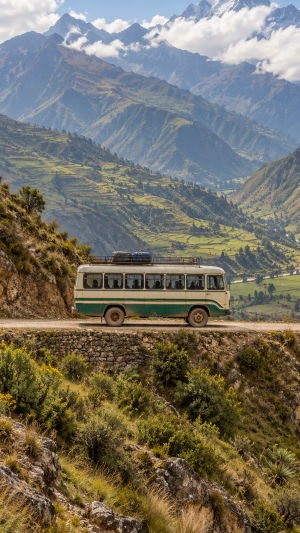
Peru is a country made for adventure. One day, you could be exploring Lima's lively streets; the next, admiring snow-covered Andean peaks or discovering ancient Inca ruins. With spectacular deserts, mountains and vast stretches of Amazon rainforest, travelling between destinations is an experience in itself.
However, Peru's diverse geography makes transport planning especially important. Distances can be considerable, mountain roads are often winding, and some remote destinations are accessible only by air or river. Fortunately, travellers can choose from affordable buses, trains, flights and local transport.
<h3>Travel Between Cities By Bus</h3>
Long-distance buses are among the most economical ways to explore Peru. Comfortable coaches connect major destinations, including Lima, Arequipa, Cusco and Huaraz, making them particularly attractive for budget-conscious travellers.
Established operators such as Cruz del Sur, Oltursa and Movil Tours offer scheduled services, with reclining seats available on many overnight journeys. Depending on the distance and comfort level, tickets typically cost around €15–45.
For greater flexibility, tourist-oriented hop-on, hop-off services allow passengers to explore several destinations along a planned route. Multi-stop passes generally start at approximately €145.
Remember that journeys through the Andes can take considerably longer than expected, particularly during the rainy season.
Peru
<h3>Discover Peru's Cities Like A Local</h3>
In Lima, Cusco and Arequipa, public buses and small passenger vans known as combis provide inexpensive transport.
Short journeys often cost less than €1, making them useful for travellers hoping to minimise expenses. However, routes can be confusing, vehicles crowded and schedules unpredictable.
In Lima, the Metropolitano bus network offers a more structured alternative, with dedicated lanes helping passengers avoid some of the city's notorious traffic.
For first-time visitors, organised public transport or reputable taxis may be more convenient than informal minibuses.
<h3>Use Taxis For Convenient City Travel</h3>
Taxis are widely available throughout Peru and can be surprisingly affordable compared with European prices.
A typical journey within central Lima may cost approximately €3–8, depending on distance, traffic and demand. Ride-hailing services such as Uber operate in major cities, including Lima, Cusco and Arequipa.
In smaller towns, three-wheeled mototaxis offer short journeys for approximately €1–3.
Choose reputable operators, confirm the fare before departure when no meter is used, and avoid unlicensed vehicles.
<h3>Experience Peru's Spectacular Train Journeys</h3>
Although Peru has a limited railway network, its scenic routes are among South America's most memorable travel experiences.
The famous train journey towards Machu Picchu passes through the Sacred Valley, following the Urubamba River towards Aguas Calientes.
Services operated by PeruRail and Inca Rail offer different comfort levels, with tourist tickets often costing approximately €50–140 one way. Premium departures can be considerably more expensive.
From Aguas Calientes, visitors continue to the archaeological site by shuttle bus or on foot.
For an exceptional luxury experience, the Andean Explorer offers overnight rail journeys through the southern highlands, combining panoramic landscapes with elegant accommodation.
<h3>Save Time With Domestic Flights</h3>
Flying is often the most practical choice when travelling between distant regions.
Domestic services connect Lima with destinations such as Cusco, Arequipa, Iquitos and Puerto Maldonado. One-way fares can start around €40–120 when booked ahead, although baggage and peak-season travel may increase costs.
Many regional connections require a transfer in Lima, so check the complete itinerary before booking.
Flights are especially useful for visiting Amazonian destinations where overland journeys would take several days or where road access is unavailable.
<h3>Should You Rent A Car?</h3>
Renting a vehicle provides flexibility for exploring remote landscapes, but driving in Peru requires confidence and preparation.
Mountain roads can be narrow, while traffic in major cities is frequently congested. A high-clearance vehicle may be useful for rural routes.
Rental prices generally range from €35–75 per day, excluding fuel and additional insurance.
For most visitors, hiring a car for a short regional excursion is more practical than driving across the entire country.
<h3>Plan A Comfortable Journey</h3>
For a balanced itinerary, combine overnight buses with occasional domestic flights and scenic railway journeys. Allow extra time for mountain routes, especially between January and April when heavy rain can cause delays.
Travellers with reduced mobility should research transport and accommodation carefully, as accessibility varies considerably outside major cities.
With thoughtful planning, exploring Peru becomes an unforgettable part of the holiday. Whether you're travelling through the Andes by train or crossing desert landscapes by coach, every journey reveals another fascinating side of this extraordinary country.