

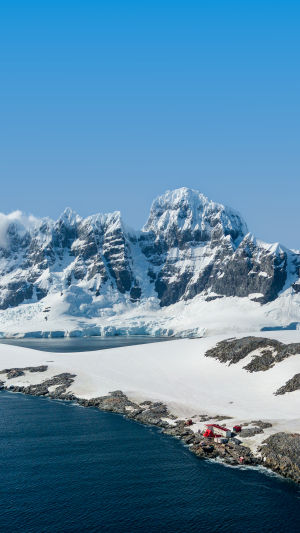
Have you ever imagined standing on a shore surrounded by towering icebergs, watching penguins move across the snow, with nothing but mountains and ocean stretching into the distance?
Antarctica is one of the most extraordinary places to visit, but it is also one of the most carefully managed travel destinations in the world.
<h3>When Is the Best Time to Visit Antarctica?</h3>
The main tourist season runs from November to March, during the Southern Hemisphere summer. December and January offer long daylight hours and active penguin colonies, while February and March are especially good for whale watching. November can be a good choice for travelers who want to see fresh snow and the beginning of the penguin breeding season.
Weather can change quickly at any time, so expedition schedules may change depending on sea and ice conditions.
<h3>Is There an Entrance Fee for Antarctica?</h3>
There is no standard public entrance ticket or general admission fee for Antarctica like you would pay at a national park or museum. Instead, tourism activities are subject to the Antarctic Treaty System and national regulations. Tour operators must complete environmental assessment and authorization procedures through the appropriate authorities.
For travelers, these regulatory costs are generally incorporated into the price of the expedition rather than paid as a separate entrance ticket.
Antarctica
<h3>Transportation Costs</h3>
Estimated transportation costs include:
<b>Flight to Ushuaia:</b> US $100–$500+ each way
<b>Airport transfer:</b> US $10–$30
<b>Antarctic expedition cruise:</b> generally US $6,000–$15,000+ per person
<b>Fly-cruise expeditions:</b> commonly US $10,000–$25,000+
<b>Zodiac Shore Excursions</b>
Small inflatable boats called Zodiacs are commonly used to reach landing sites that larger ships cannot access.
These excursions can bring travelers close to glaciers, rocky beaches, icebergs, and wildlife.
<b>Cost:</b> Usually included in the expedition price
<b>Operating hours:</b> Weather dependent, normally scheduled during daylight
<b>Snowshoeing and Hiking</b>
Some itineraries include guided walks over snow and rocky terrain. These activities are generally included when they form part of the standard expedition program.
<b>Cost:</b> Usually included
<b>Hours:</b> Scheduled according to weather, daylight, and landing conditions
<h3>Where to Stay</h3>
There are no conventional tourist hotels in Antarctica. Travelers normally sleep aboard their expedition vessel. Before or after the cruise, spending a night in Ushuaia is useful. Typical prices are:
<b>Budget accommodation:</b> US $40–$80 per night
<b>Mid-range hotel:</b> US $80–$160
<b>Higher-end hotel:</b> US $160–$300+
<h3>Food and Dining Costs</h3>
Meals aboard expedition ships are generally included in the cruise price. In Ushuaia, travelers can expect approximately:
<b>Breakfast:</b> US $5–$12
<b>Casual lunch:</b> US $10–$20
<b>Mid-range dinner:</b> US $20–$40
<h3>What to Pack</h3>
Warm and waterproof clothing is essential. Bring thermal layers, an insulated jacket, waterproof trousers, gloves, a warm hat, thick socks, and waterproof boots. Sunglasses and sunscreen are also important because sunlight can reflect strongly from snow and ice. A small backpack is useful for shore excursions, while a reusable water bottle helps reduce waste.
An Antarctic journey is unlike an ordinary holiday. The landscape, wildlife, and sense of isolation make the experience truly special. Plan your budget carefully, allow extra time for possible travel changes, prepare for cold and unpredictable weather, and always follow environmental guidelines.


