

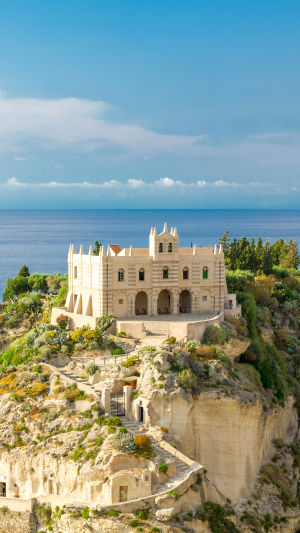
Europe remained one of the strongest travel choices of summer 2026, even as changing flight routes, extreme heat and rising prices made holiday planning more complicated.
Rather than cancelling trips, travellers increasingly adjusted them. Bookings to Europe were reported up 17% year on year by one specialist, while France, Spain, Italy and Portugal continued to dominate demand.
The bigger change was in how people planned: more questions, earlier bookings, greater flexibility and stronger interest in destinations away from the busiest Mediterranean hotspots.
<h3>Flexibility Became Part of the Itinerary</h3>
The defining travel habit of 2026 was not fear, but caution.
Travellers spent longer comparing routes, departure airports and accommodation conditions before committing. Skyscanner reported a <b>66% increase in use of its layover filter</b>, reflecting greater attention to flight connections as airspace disruptions affected some routes.
The practical lesson is simple: avoid building an itinerary around a tight connection. For longer journeys, a two- or three-hour buffer can be far more valuable than saving a small amount on the cheapest ticket.
Flexible hotel rates are also worth considering when the difference is modest, particularly for multi-city trips.
<h3>Northern Spain Is Having a Moment</h3>
One of the most interesting shifts has been towards Spain’s cooler Atlantic regions, including <b>Galicia, Asturias and Cantabria</b>. They offer beaches, mountains, historic towns and excellent food without relying on the classic Barcelona–Costa del Sol route.
Galicia works particularly well for culture. In Santiago de Compostela, entry to the Cathedral Museum’s permanent collection costs <b>€9</b>, while the rooftop and tower visit is €15.
<b>Traveller tip:</b> Spend at least two nights in Santiago rather than treating it as a day trip. Early mornings and evenings around the historic centre are much calmer than the middle of the day.
<h3>Asturias Combines Mountains and Coast</h3>
For travellers trying to avoid southern Europe’s strongest summer heat, Asturias is an especially attractive alternative.
The Covadonga Lakes in Picos de Europa are one of the region’s highlights, but access is regulated during busy periods. In 2026, restrictions apply continuously from <b>1 June to 18 October</b>, with several exceptions and special dates. Public transport is therefore the easiest option during peak season.
Organised excursions from Cangas de Onís to Covadonga and the lakes start at around <b>€35</b>, while day trips from Oviedo or Gijón are available from approximately €47.
For something quieter, consider Cudillero, Lastres or the Senda del Oso rather than trying to fit every famous sight into one weekend.
Asturias
<h3>Cantabria Offers Culture for Very Little</h3>
Cantabria is another strong choice for travellers who want beaches and culture without spending every day in a major city.
The National Museum and Research Centre of Altamira charges just <b>€3</b> for general admission and €1.50 for reduced tickets. Entry is free from 2pm on Saturdays and throughout Sunday.
Accommodation, however, can still become expensive at the height of summer. Official tourism statistics put the average hotel room rate across Cantabria at around <b>€129.20 in July 2026</b>, illustrating why travelling in June or September can make a significant difference to the budget.
<h3>Portugal Still Rewards Smart Planning</h3>
Portugal continued to gain popularity in 2026, but Lisbon remains relatively easy to explore without relying on taxis.
A standard Carris/Metro ticket costs <b>€1.90</b>, while a 24-hour unlimited Carris/Metro pass costs €7.25. Adding suburban CP rail services increases the 24-hour ticket to €11.40, useful if your plans involve travelling beyond the city centre.
<b>Budget tip:</b> If you expect to make four or more public-transport journeys in a day, compare the daily pass with individual fares before buying.
<h3>What to Budget</h3>
For northern Spain, a realistic independent trip should allow roughly <b>€90–€160 per person per day</b> for accommodation shared by two people, meals, local transport and one or two attractions. Coastal resorts can cost substantially more in July and August, while September usually offers better value.
Portugal’s cities can fall into a similar range, although central hotels in Lisbon and Porto can push costs higher during popular weekends.
Flights should be budgeted separately. International airfares have remained unusually expensive in 2026, making flexibility with departure dates particularly valuable.
<h3>The New European Summer</h3>
The lesson from 2026 is not that travellers are abandoning Europe. They are becoming more selective about where, when and how they visit.
<b>Choosing Galicia instead of an overcrowded Mediterranean resort, travelling in September rather than August, leaving more time between flights and checking cancellation terms may not sound revolutionary. But together, these decisions can produce a cheaper, calmer and much more enjoyable European trip.</b>


