

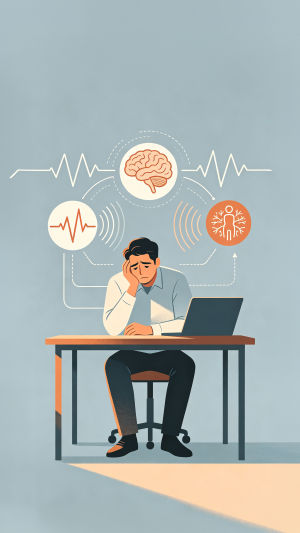
Chronic stress develops when the body remains under pressure for an extended period without sufficient recovery.
Continued activation of the stress response can influence several body systems, including the brain, cardiovascular system, nervous system, digestive system, and sleep patterns.
Understanding the warning signs can help a person make appropriate lifestyle changes and seek professional support when necessary.
<h3>How Chronic Stress Affects the Brain</h3>
The brain coordinates the body's response to perceived threats and ongoing demands. During short periods of stress, this response can increase alertness, attention, and readiness to act.
When stress persists, however, it may interfere with concentration, memory, emotional regulation, and decision-making. Some people may experience difficulty focusing, forgetfulness, irritability, or a sense of mental overload.
Sleep can also be affected. Difficulty falling asleep, frequent waking, or inadequate rest may reduce the ability to manage emotions and everyday demands, making healthy recovery more difficult.
<h3>Effects on the Heart and Circulation</h3>
Stress activates the sympathetic nervous system, which can temporarily increase heart rate and blood pressure as the body prepares to respond to a demand.
These changes are normal during brief periods of stress. Prolonged stress, however, may contribute to cardiovascular risk through a combination of physiological responses and associated lifestyle factors. Insufficient sleep, physical inactivity, and an unhealthy diet can further influence cardiovascular health.
Stress is not the sole cause of cardiovascular disease. Its effects should instead be considered alongside other biological, behavioral, and environmental factors.
<h3>Effects on the Nervous System</h3>
The autonomic nervous system regulates functions that occur largely without conscious control, including heart rate, breathing, digestion, and blood pressure. Its sympathetic branch supports the body's response to demands, while the parasympathetic branch helps promote recovery.
When stress remains elevated for long periods, some people may experience muscle tension, headaches, sweating, restlessness, digestive changes, a racing heartbeat, or difficulty relaxing.
The body is designed to activate its stress response when needed and gradually return to a calmer state afterward. Repeated activation can make this recovery process more difficult.
“Our bodies are well equipped to handle stress in small doses, but when that stress becomes long-term or chronic, it can have serious effects on your body.” — American Psychological Association.
<h3>Warning Signs to Watch For</h3>
Persistent symptoms deserve attention when they begin interfering with sleep, work, relationships, daily responsibilities, or general well-being. Possible signs include:
- Ongoing difficulty sleeping
- Problems with concentration or memory
- Persistent irritability or emotional changes
- Frequent headaches or muscle tension
- Repeated episodes of a racing heartbeat
- Unexplained digestive changes
- Ongoing tiredness despite adequate opportunities for rest
- Increasing reliance on unhealthy coping habits
- Difficulty managing ordinary daily responsibilities
These symptoms are not specific to chronic stress and may have other causes. Persistent or unexplained changes should therefore be discussed with a healthcare professional.
<h3>When to Seek Medical Help</h3>
Certain symptoms should not automatically be attributed to stress. Severe or persistent chest pain, significant difficulty breathing, fainting, sudden weakness, sudden confusion, or other potentially serious symptoms require prompt medical assessment.
For ongoing stress-related concerns, a healthcare professional can evaluate sleep, medications, lifestyle factors, mental well-being, cardiovascular risk, and other possible contributors. Depending on the individual's needs, care may involve stress-management strategies, psychological support, lifestyle adjustments, or treatment for an underlying condition.
<h3>Healthy Ways to Manage Stress</h3>
Managing chronic stress does not mean eliminating every source of pressure. A more practical approach is to build regular opportunities for recovery and strengthen habits that support overall well-being.
Regular physical activity, consistent sleep, nutritious meals, relaxation techniques, supportive social connections, and reasonable boundaries around work and daily responsibilities can all contribute to healthier stress management. Breaking demanding tasks into smaller steps and allowing time for rest can also make everyday pressures easier to manage.
If stress continues to interfere with daily life despite these efforts, professional support can provide additional strategies and help identify factors that may be contributing to the problem.
<h3>Supporting Long-Term Well-Being</h3>
Long-term stress can influence several interconnected systems throughout the body. Changes in sleep, concentration, mood, heart rate, muscle tension, or digestion may indicate that the body's stress response is being activated repeatedly.
Responding to these changes early can make it easier to address contributing factors and establish healthier routines. Maintaining regular sleep, staying physically active, eating nutritious meals, maintaining supportive relationships, and seeking professional guidance when appropriate can all contribute to better long-term well-being.
Chronic stress can affect the brain, cardiovascular system, and nervous system when the body's stress response remains active for prolonged periods. Sleep difficulties, concentration problems, muscle tension, emotional changes, and other persistent symptoms deserve attention, especially when they interfere with everyday life. Recognizing these signs and taking practical steps toward recovery can support healthier functioning and overall well-being.


