

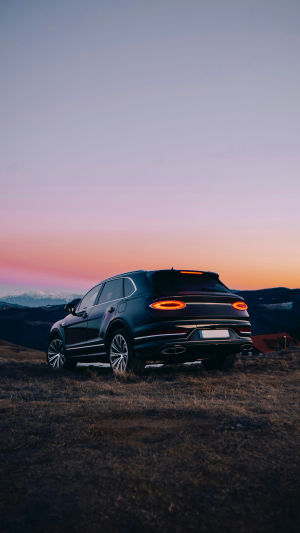
Hi, Readers! A car's body size is like the shape of your shoes on a long day out. If the fit is right, everything feels easy. If it is too long, too wide, or too tall for the job, every turn, parking space, and lane change can feel like threading a sofa through a hallway
When people talk about driving experience, they often jump straight to engine power or suspension tuning, but the outer dimensions of the car matter just as much. Length, width, and height all change how a car behaves, how easy it is to control, and how relaxed the driver feels.
<h3>Why length changes the feel</h3>
Length has a big influence on how a car moves through daily life. A longer body usually comes with a longer wheelbase, and that often helps the car feel calmer and more settled at higher speeds. On a highway, this can make the ride feel smoother, with less nervous movement. It is a bit like a long dining table that sits steady instead of wobbling at every little nudge. Passengers often benefit too, because extra length can create more legroom and more cargo space.
But length has a trade-off, and it shows up fast in cities. A long car usually needs a bigger turning circle, which means U-turns, tight parking garages, and crowded side streets become more annoying. The driver may need more corrections when parking and more attention when moving through narrow places. In real life, that means a car that feels excellent on an open road may suddenly feel like a giraffe trying to use a tiny elevator when you take it downtown.
<h3>Why width affects confidence</h3>
Width strongly shapes how much room a driver feels they have, both inside and outside the cabin. A wider car often feels more planted on the road. Because the stance is broader, it can give better stability in corners and make the driver feel more secure during lane changes. Inside, width usually improves shoulder room, so the cabin feels less cramped and more relaxed for everyone.
The flip side is obvious the moment the road gets tight. A wide car can make narrow lanes, old parking structures, and small parking spaces feel stressful. The driver becomes more aware of mirrors, lane markings, and nearby vehicles. Even if the car handles well, it may not feel easy. This is where confidence and convenience start pulling in different directions. A car can feel stable and still be awkward in places where every inch matters.
<h3>Height and the driver's view</h3>
Height changes both visibility and body movement. A taller vehicle usually gives the driver a higher seating position and a better view ahead. That can make traffic easier to read and can help some drivers feel more comfortable and in control. Getting in and out may also feel easier, which is one reason many people like taller vehicles for family use and daily errands.
At the same time, more height often means a higher center of gravity. That can lead to more body lean in corners and a different sense of balance during quick direction changes. Even when a taller car is tuned well, it may not feel as tied-down as a lower one. A lower car often feels more connected to the road, with less side-to-side motion. So height can improve visibility and ease of use, while also changing handling in ways the driver notices immediately.
<h3>How the dimensions work together</h3>
No single measurement tells the whole story. A car that is long but not especially wide may feel stable yet still manageable. A car that is wide and low may feel sporty and secure but less friendly in tight urban spaces. A tall and short vehicle may be easy to park and easy to enter, yet feel busier on the move. The real driving experience comes from how length, width, and height combine with wheelbase, track width, weight distribution, suspension, and tire setup.
That is why two cars with similar outside measurements can still feel quite different. One may glide calmly over longer distances, while another feels quick and handy in traffic. Size sets the stage, but the full performance depends on how the whole package is arranged.
In the end, body dimensions shape the driving experience in practical, everyday ways. Length affects stability and parking ease, width changes cabin space and road confidence, and height influences visibility and cornering feel. When choosing a car, it helps to think beyond style and ask a simple question: where will this car spend most of its life?
On wide highways, in tight city streets, or somewhere in between? Pick the size that matches your routine, and the car will feel less like a challenge and more like a good teammate.


