

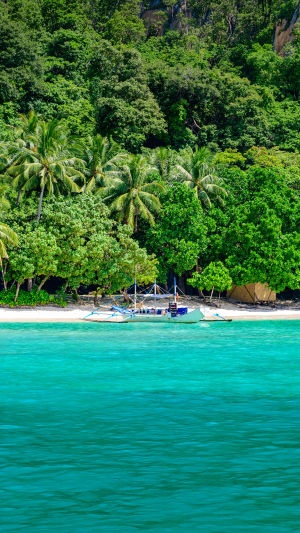
Readers, imagine beginning the morning beneath towering limestone cliffs, paddling across turquoise water by midday, and ending the afternoon on a white-sand beach overlooking the islands of Bacuit Bay.
<b>El Nido, Palawan</b> brings all of these experiences together in one of the Philippines' most celebrated coastal destinations.
Rather than being defined by a single beach, El Nido is a gateway to lagoons, limestone islands, snorkeling areas, caves, secluded shores, and spectacular boat journeys. First-time visitors can choose between several established island-hopping routes while also exploring beaches and viewpoints on the mainland. If El Nido is on your travel list, this guide covers the practical details that matter most, including transportation, current tour costs, places to stay, food, activities, and useful planning tips.
<h3>Getting to El Nido</h3>
El Nido is located in <b>northern Palawan</b>. Travelers can either fly closer to El Nido or travel overland from Puerto Princesa, the provincial capital. Visitors arriving through Puerto Princesa can continue by <b>bus, shared van, or private van</b>. The road journey usually requires approximately <b>5–7 hours</b>, depending on traffic, stops, and road conditions. Shared van fares can start from around <b>PHP 640</b>, while bus fares may begin at approximately <b>PHP 520</b>. Private vans provide greater flexibility for families and groups, with some services costing around <b>PHP 9,000 per van</b>. Once in El Nido, <b>tricycles</b> are commonly used for short journeys. Motorcycles and scooters are also available for travelers wanting to explore beaches farther from town.
<h3>Best Time to Visit El Nido</h3>
The drier part of the year is generally preferred for an El Nido holiday because calmer seas and clearer weather provide better conditions for <b>island hopping, kayaking, snorkeling, and beach trips</b>. The busiest months can bring more visitors to famous locations such as Big Lagoon. If you prefer a quieter experience, consider traveling outside major holidays and peak travel periods. Rainy or windy weather does not necessarily mean every activity stops, but rough seas can cause island-hopping routes to change or tours to be canceled. Always check the weather forecast shortly before your boat trip.
<h3>Island-Hopping Tours</h3>
Island hopping is the signature El Nido experience. The main shared excursions are traditionally organized into <b>Tours A, B, C, and D</b>, with each route focusing on different lagoons, islands, beaches, or caves. Current reference prices are approximately <b>PHP 1,500 per person for Tour A</b>, <b>PHP 1,600 for Tour B</b>, <b>PHP 1,700 for Tour C</b>, and <b>PHP 1,500 for Tour D</b>. Private traditional outrigger tours are considerably more expensive and can start from around <b>PHP 13,000 for two people</b>. Prices and inclusions vary by operator and may change over time, so always confirm the final amount before booking.
<h3>Tour A and Big Lagoon</h3>
For first-time visitors, <b>Tour A</b> is often one of the most recognizable El Nido experiences because it focuses on dramatic lagoons and limestone scenery. <b>Big Lagoon</b> is the headline attraction. Visitors enter an extraordinary body of turquoise water enclosed by towering limestone formations. Kayaking is one of the best ways to experience the lagoon because it allows you to move slowly between the cliffs. Big Lagoon may require a separate user fee of approximately <b>PHP 200</b>, while kayak rental can cost around <b>PHP 300 per kayak</b>. Tour itineraries can vary, so check the exact destinations with your operator.
<h3>Tour B: Islands and Caves</h3>
Travelers interested in a mixture of beaches, unusual landscapes, and caves can consider <b>Tour B</b>. This route is commonly associated with places such as <b>Snake Island, Cudugnon Cave, and other island stops</b>. Snake Island is particularly recognizable for its curving sandy formation extending through shallow blue water. Tour B offers a different experience from the lagoon-focused Tour A, making it useful for travelers staying several days and wanting more variety. Shared Tour B prices may start at approximately <b>PHP 1,600 per person</b>.
<h3>Tour C: Beaches and Dramatic Scenery</h3>
<b>Tour C</b> is another favorite among travelers and is particularly attractive for those interested in beaches, snorkeling, and dramatic limestone formations. Depending on the day's itinerary and sea conditions, destinations may include <b>Helicopter Island, Hidden Beach, Secret Beach, Talisay Beach, and the Matinloc area</b>. Helicopter Island takes its popular name from its distinctive silhouette when viewed from the water. Hidden Beach, meanwhile, is surrounded by limestone formations that create a secluded coastal setting. Shared Tour C prices may start around <b>PHP 1,700 per person</b>.
<h3>Tour D: A More Relaxed Alternative</h3>
Visitors wanting to explore another side of El Nido can consider <b>Tour D</b>. Typical destinations include Cadlao Lagoon and quieter beaches, although routes vary between operators. <b>Cadlao Lagoon</b> combines clear water with imposing limestone surroundings and is particularly enjoyable by kayak. Tour D can be an attractive second or third excursion after experiencing the more famous Tour A. Shared prices may start around <b>PHP 1,500 per person</b>.
<h3>Environmental and Lagoon Fees</h3>
Travelers should budget for costs beyond the advertised island-hopping price. El Nido has an <b>Eco-Tourism Development Fee of approximately PHP 400</b>, with validity depending on current local regulations. Certain lagoons may carry separate user fees of around <b>PHP 200</b>, while kayak rentals can add approximately <b>PHP 300 or more</b> depending on the location. Keep your environmental-fee receipt during your stay and carry enough <b>Philippine pesos in cash</b> for smaller charges. All fees may change over time.
<h3>Nacpan Beach</h3>
You do not need to board a boat every day in El Nido. <b>Nacpan Beach</b>, north of town, provides an excellent alternative when you want a slower day. The long coastline offers plenty of room for walking, swimming, sunbathing, and relaxing away from the limestone lagoons. Travelers can reach the area by tricycle, motorcycle, or arranged transportation. A motorcycle is particularly flexible for those planning to combine Nacpan with other northern beaches. Conditions can change during rainy weather, so take extra care when riding on unfamiliar roads.
<h3>Corong Corong and Sunset</h3>
<b>Corong Corong</b> is another useful area for travelers, particularly those interested in sunset views and easier access to accommodation away from the busiest streets of El Nido Town. The coastline looks toward the islands of Bacuit Bay, creating beautiful evening scenery when conditions are clear. Nearby areas also provide restaurants, accommodation, and access to beaches, making Corong Corong a practical base for couples and travelers who want a balance between convenience and a more relaxed atmosphere.
<h3>Activities Worth Trying</h3>
<b>Island hopping:</b> The essential El Nido experience, with shared tours generally costing around <b>PHP 1,500–1,700 per person</b>.
<b>Kayaking:</b> Particularly worthwhile at the lagoons. Rental prices can start around <b>PHP 300</b>, depending on location.
<b>Snorkeling:</b> Many island-hopping routes include opportunities to observe coral and tropical fish. Check whether snorkeling equipment is included.
<b>Motorcycle exploration:</b> Useful for reaching mainland beaches independently. Motorcycle rental may cost around <b>PHP 500 per day</b>, although rates vary.
<b>Beach hopping:</b> Spend a day away from organized boat tours exploring Nacpan and other beaches accessible by road.
<h3>Where to Stay</h3>
Choosing the right part of El Nido can make a significant difference to your trip. <b>El Nido Town:</b> Best for first-time visitors wanting convenient access to tour operators, restaurants, shops, and boat departures. Budget guesthouses and hostels are widely available. <b>Corong Corong:</b> Suitable for couples and travelers who prefer a more relaxed setting while remaining close to town. The area is also known for sunset views. <b>Luxury island resorts:</b> Best suited to honeymooners and travelers looking for privacy, premium facilities, and a resort-centered holiday. Budget accommodation can sometimes be found from approximately <b>PHP 1,000–2,500 per night</b>, while mid-range hotels often cost around <b>PHP 2,500–6,000 or more</b>. Luxury resorts can be considerably more expensive. Rates vary according to season, location, room category, and demand.
<h3>What to Eat in El Nido</h3>
El Nido has developed a varied dining scene catering to both Filipino and international travelers. Local choices include <b>grilled fish, seafood, chicken adobo, sisig, pancit, grilled meats, and garlic rice</b>. Tropical fruit and fresh juices are also widely available. Budget-conscious travelers can find meals at local eateries starting around <b>PHP 100</b>, although restaurants in heavily visited areas generally charge more. For a comfortable restaurant meal, budgeting approximately <b>PHP 250–600 per person</b> is more realistic, with premium seafood and upscale restaurants costing considerably more.
<h3>Getting Around El Nido</h3>
<b>Tricycles</b> are one of the simplest ways to travel around town and nearby areas. Some short rides may cost around <b>PHP 50</b>, depending on distance and local fares. Motorcycle rentals provide more independence for travelers heading toward Nacpan and other mainland beaches. Walking is practical within central El Nido, although heat and rain can make longer distances uncomfortable. For island destinations, <b>boats remain the primary form of transportation</b>.
<h3>Helpful Tips for First-Time Visitors</h3>
- Bring <b>reef-safe sunscreen, swimwear, a hat, and quick-drying clothing</b>.
- Use a waterproof bag or phone pouch during island-hopping trips.
- Carry Philippine pesos for environmental fees, kayak rentals, and small purchases.
- Keep your Eco-Tourism Development Fee receipt if it remains valid for multiple tour days.
- Wear water shoes when visiting rocky beaches, caves, and shallow lagoon entrances.
- Never stand on or touch coral while snorkeling.
- Check exactly which attractions and fees are included before paying for a tour.
- Confirm weather conditions before departure because routes may change when seas become rough.
- Allow extra travel time when returning to Puerto Princesa for a flight.
<h3>Suggested One-Day Itinerary</h3>
<b>Morning:</b> Depart from El Nido Town on Tour A and travel into Bacuit Bay.
<b>Late morning:</b> Explore Big Lagoon by kayak and enjoy the dramatic limestone landscape.
<b>Midday:</b> Stop for the lunch provided by your tour operator.
<b>Afternoon:</b> Continue to the remaining islands, snorkeling areas, or beaches included in the itinerary.
<b>Late afternoon:</b> Return to El Nido and enjoy sunset near Corong Corong.
<h3>Suggested Two-Day Itinerary</h3>
<b>Day 1:</b> Take Tour A to experience Big Lagoon and some of El Nido's signature limestone scenery.
<b>Day 2:</b> Choose Tour C for beaches and snorkeling, or spend the day exploring Nacpan Beach and other mainland destinations.
Two days gives visitors a useful introduction, but additional time makes the journey considerably less rushed.
<h3>Suggested Three-Day Itinerary</h3>
<b>Day 1:</b> Join Tour A and discover Big Lagoon and the surrounding islands.
<b>Day 2:</b> Take Tour C or another island-hopping route for contrasting beaches, snorkeling sites, and limestone landscapes.
<b>Day 3:</b> Leave the boat behind and explore Nacpan Beach, Corong Corong, and other mainland areas before watching the sunset.
Three days allows first-time visitors to experience a better balance of <b>lagoons, islands, beaches, snorkeling, and relaxed coastal time</b>.
<h3>More Than an Island-Hopping Stop</h3>
Readers, El Nido is most memorable when you allow its landscapes to unfold gradually rather than treating the destination as a race between famous photo spots. One day might take you kayaking beneath immense limestone walls, while another leads to a quiet beach where the only plan is swimming and watching the sea. <b>The combination of turquoise lagoons, remarkable rock formations, tropical islands, coral-rich waters, and mainland beaches</b> gives travelers plenty of reasons to stay beyond a single tour. Choose the experiences that suit your pace, leave room for changing weather, and give yourself time to enjoy the scenery between destinations. Readers, which side of El Nido would you explore first: the famous lagoons, the hidden beaches, or the quieter coastline beyond town?


