

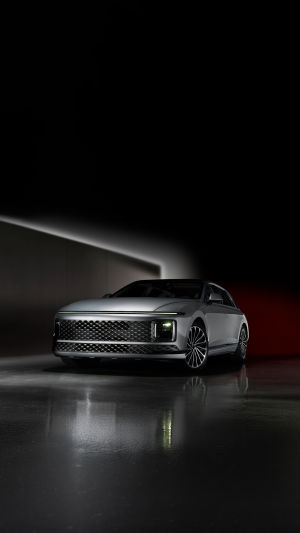
Hi, Readers! Sports cars may look similar at first glance, but the place where the engine sits changes almost everything about how the car feels on the road.
In simple terms, engine layout refers to whether the engine is placed toward the front, near the center, or close to the rear of the car. For performance models, the three classic layouts are front-engine, mid-engine, and rear-engine.
Each one affects weight distribution, steering response, traction, packaging, and the kind of driving character a car develops.
A front-engine layout places the engine ahead of the passenger compartment. In many cases, the engine is located over or slightly behind the front axle line, depending on the design goal. This layout is widely used because it is practical, familiar, and easier to package with a full cabin and luggage space.
For sports cars, a front-engine setup often gives stable high-speed behavior and predictable handling. It can also make cooling, maintenance access, and everyday usability easier. The trade-off is that more mass sits toward the front of the vehicle, which can increase understeer if the chassis is not carefully tuned. In other words, the car may resist turning compared with layouts that place more mass near the center.
<h3>Front-Engine Character</h3>
In a sports car, front-engine design usually creates a balanced mix of performance and usability. Because the engine is not taking up the middle of the chassis, designers have more freedom for cabin space and cargo capacity. That makes this layout suitable for grand touring models that need speed but also comfort.
Another advantage is that the car can be easier to control near the limit for many drivers, since the handling breakaway tends to feel progressive. Still, the exact result depends on where the engine sits. A front-mid arrangement, where the engine is mounted behind the front axle, can improve weight balance and sharpen turn-in compared with a more traditional front placement.
<h3>Mid-Engine Precision</h3>
A mid-engine layout places the engine between the front and rear axles. In most sports car discussions, this usually means behind the seats but ahead of the rear axle. This position concentrates mass near the center of the car, which reduces rotational inertia.
In practical terms, the car can change direction more quickly and feel especially agile in corners. Mid-engine sports cars are often praised for sharp handling, strong balance, and excellent response during spirited driving. Because weight is shared more evenly between front and rear, grip can feel very efficient when the chassis is set up well.
The downside is that packaging becomes more difficult. The engine occupies space that could otherwise be used for passengers or storage, so cabins are often tighter and luggage areas smaller. Cooling and service access may also be more complicated than in front-engine designs. Another point is that a highly responsive chassis can be less forgiving if grip is exceeded suddenly. The car may react faster to driver inputs, which is exciting but can demand more precision.
<h3>Rear-Engine Traction</h3>
A rear-engine layout places the engine behind the rear axle. This is less common overall but very distinctive in sports cars. The major advantage is rear-wheel traction. Since much of the vehicle mass sits over the driven wheels, the car can accelerate effectively, especially when exiting corners. This layout also frees up the front area, which can help with steering feel and allow extra storage in some designs.
However, putting substantial weight at the far rear has clear handling consequences. The car can be very responsive, but it may also be more sensitive during rapid direction changes. If the rear loses grip, the motion can develop quickly because the mass is concentrated behind the axle.
Engineers often use suspension tuning, tire selection, aerodynamics, and electronic control systems to manage these traits. When done well, a rear-engine sports car can feel uniquely lively and rewarding, but it carries a dynamic personality quite different from front- or mid-engine designs.
<h3>Which Layout Is Better?</h3>
There is no single best layout for every sports car. Front-engine models usually offer the broadest mix of practicality, comfort, and approachable performance. Mid-engine designs tend to prioritize cornering balance and fast directional response. Rear-engine cars stand out for traction and a very particular driving feel that can be both engaging and technically demanding.
The final result always depends on the full vehicle design, not only engine position. Suspension geometry, tire setup, drivetrain configuration, wheelbase, and aerodynamics all matter. So, what is the real difference between front, mid, and rear engine sports cars? It comes down to where the mass sits and how that shapes the car's behavior. If you want an easier everyday performance car, front-engine makes a lot of sense.
If you care most about agility, mid-engine often shines. If you enjoy a distinctive balance with strong rear traction, rear-engine has its own appeal. Next time you look at a sports car, check where the engine is placed. That single design choice tells you a lot about how the car is likely to drive.


