

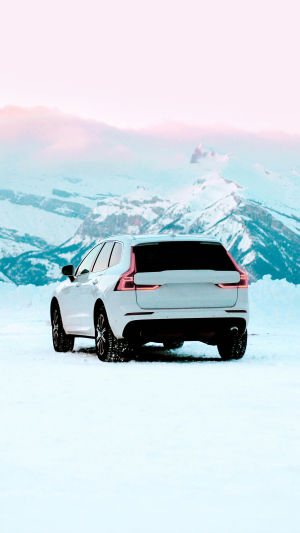
Hi, Friends! Winter is one of those seasons that quietly sneaks up on you, and before you know it, you're scraping frost off your windshield in the dark and wondering why your car feels a little off.
Cold weather affects your vehicle in more ways than most people realize, so let's talk through the things you should genuinely pay attention to when temperatures start dropping.
<h3>Check Your Battery First</h3>
Your car battery works much harder in cold weather. Low temperatures reduce the battery's ability to hold a charge, which means a battery that was perfectly fine in summer might suddenly leave you stranded on a freezing morning.
Before winter really sets in, get your battery tested at a shop or auto parts store. If it's showing signs of weakness, replacing it early saves you a lot of stress later. Also, try to avoid leaving your car parked outside in extreme cold for too long without running it periodically.
<h3>Tire Pressure and Tread Matter More Than Ever</h3>
Here's something a lot of people overlook: for every 10 degrees Fahrenheit the temperature drops, your tires lose about 1 to 2 PSI of pressure. Under-inflated tires affect your handling, braking, and fuel efficiency, all of which are more critical in icy or wet conditions.
Check your tire pressure regularly throughout the winter, not just once at the start. Also take a close look at your tread depth. Worn tires on slippery roads are genuinely dangerous, so if your tread is getting thin, it's time for new ones. In areas with heavy snowfall, dedicated winter tires are absolutely worth considering.
<h3>Engine Oil Viscosity in Cold Conditions</h3>
Cold temperatures thicken engine oil, which means your engine has to work harder to get lubricated on startup. Check your owner's manual to see whether your current oil grade is suitable for winter use.
Many mechanics recommend switching to a lower viscosity oil in winter, such as 5W-30 instead of 10W-30, because it flows more easily in the cold and protects your engine better during those first critical seconds after starting. Regular oil changes are even more important during this season.
<h3>Antifreeze and Cooling System</h3>
Your coolant, also called antifreeze, is what prevents your engine from freezing up in cold temperatures. Make sure the mixture ratio is correct; typically a 50/50 blend of coolant and water offers protection down to around minus 34 degrees Fahrenheit.
You can pick up an inexpensive tester from any auto parts store to check your coolant concentration. If it's been a while since you flushed your cooling system, winter is a great reminder to get that done.
<h3>Brakes, Lights, and Visibility</h3>
Winter driving means reduced visibility and longer stopping distances, so your brakes and lights need to be in top condition. Have your brake pads and rotors inspected before the cold sets in. Make sure all your lights are working properly: headlights, taillights, and fog lights, because shorter daylight hours and bad weather mean you'll be relying on them more.
Replace worn wiper blades and top up your windshield washer fluid with a winter-grade formula that won't freeze on contact with the glass. Keeping a small ice scraper and some de-icer spray in your car is just practical.
<h3>Fuel Up More Often</h3>
Try to keep your fuel tank at least half full during winter. This helps prevent moisture from building up inside the fuel tank and also means you're never caught short if you get stuck in traffic during a snowstorm or need to run the heater while waiting for help. It's a small habit that really does make a difference.
Taking care of your car in winter isn't complicated, but it does require a little more attention than the warmer months. Think of it as looking after a good friend who needs a bit more support when things get tough. Go through this checklist, take care of the basics early, and you'll feel so much more confident and at ease on the road all season long. Stay safe and warm out there, everyone!


