

Hello, Lykkers! Ever bitten into a sourdough loaf and wondered who did all the heavy lifting?
Spoiler alert: it wasn't the flour or the water. It was a bunch of invisible little party animals having a feast in your dough.
Microorganisms are the unsung heroes of fermentation, turning plain ingredients into tangy, bubbly, flavor-packed treasures. Let's pull back the curtain on these microscopic chefs.
<h3>How Microbes Transform What We Eat</h3>
Fermentation is basically nature's way of letting microbes throw a rave inside your food. They gobble up sugars and starches, burping out acids, gases, and other compounds that preserve, thicken, and transform the texture and taste. Without them, we'd have no yogurt, no cheese, no kimchi, no soy sauce, and certainly no sour pickles. A world without fermentation is a world of sad, flat, beige food.
The main players in this invisible orchestra are bacteria, yeasts, and molds. Lactic acid bacteria, like the ones in your gut, are the queens of sour flavors. They munch on lactose in milk and produce lactic acid, which curdles the milk into yogurt or cheese. Ever made a tangy sauerkraut? Same trick: they turn cabbage into a crunchy, sour delight that can sit in your fridge for months without going bad. It's like giving your veggies a superpower.
<h3>Inside the World of Yeast and Mold</h3>
Yeasts are the rock stars of the fermentation world. The most famous one, Saccharomyces cerevisiae, is what makes bread rise. It eats the sugars in flour and exhales carbon dioxide, which gets trapped in the dough's gluten network. That's why your loaf gets all poofy and full of air pockets. If you've ever smelled warm bread baking, you've smelled yeast activity and it smells glorious.
Molds are the misunderstood artists. Sure, they can ruin your leftovers if left unchecked, but certain molds, like Aspergillus oryzae in Japan, are culinary geniuses. They're used to ferment soybeans into miso and soy sauce, and rice into fermented rice drink. Molds break down proteins and starches into complex, savory flavors that you can't get any other way. They're the slow cookers of the microbe world.
<h3>The Chemistry and Biology Behind It</h3>
It's not magic, it's biology. Microbes have enzymes that chop big molecules into smaller ones. For example, amylase breaks starch into sugar, and protease breaks protein into amino acids. Different microbes produce different enzymes, which is why you get vastly different results from a sourdough starter versus a cheese culture. Temperature, pH, and salt levels also dictate which microbes thrive. Too salty? Lactic acid bacteria love it. Too acidic? Yeasts throw a tantrum and slow down. It's a delicate balance, like trying to keep a toddler happy while cooking dinner.
<h3>Common Fermented Foods in Everyday Life</h3>
Think about your fridge right now. Pickles, sauerkraut, yogurt, sour cream, kefir, tempeh, and even chocolate all rely on fermentation. Chocolate? Yes, cacao beans undergo a fermentation process to develop that deep, rich flavor. Without microbes, chocolate would taste like bitter dirt. And coffee? The beans are fermented too, bringing out the aromatic notes that wake you up in the morning. Microbes are basically the reason your morning routine has any joy in it.
<h3>Why It Matters Beyond Taste</h3>
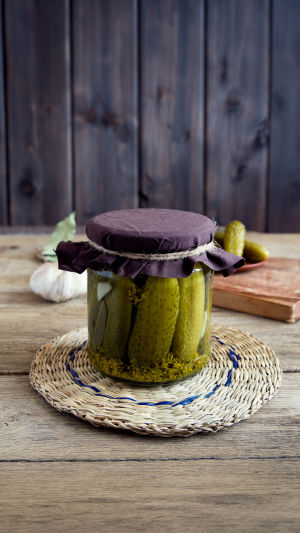
Fermentation also preserves food without fancy chemicals. Before refrigerators, our ancestors used salt and time to let microbes do the preservation dance. Sauerkraut, kimchi, and pickled veggies kept people alive during long winters. Plus, fermented foods are packed with probiotics, those good bacteria that keep your gut happy. A happy gut means better digestion, stronger immunity, and possibly a better mood. So, eating a spoonful of sauerkraut is like sending a care package to your belly bugs.
So next time you bite into a crisp pickle or spread creamy cheese on a piece of bread, give a silent cheer for the billions of tiny workers that made it possible. They're small, invisible, and totally underpaid. But without them, your dinner would be a lot more boring. Want to start fermenting at home? Try a simple batch of sauerkraut: just cabbage and salt. Let the microbes do the rest. Your taste buds will thank you, and so will your gut. Happy fermenting, Lykkers!


