

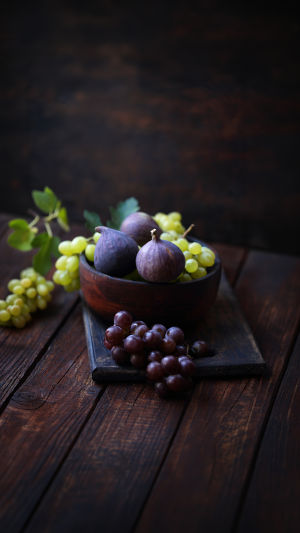
Hi, Readers! Choosing ripe fruit can feel a little tricky, especially when everything on the shelf looks beautiful at first glance.
The good news is that most fruits give gentle clues when they are ready to enjoy. By paying attention to color, texture, weight, and scent, you can make much better picks and avoid bringing home fruit that is too hard, bland, or past its best.
<h3>Start with the basics</h3>
A ripe fruit usually looks vibrant and feels right for its type. Color is often the first clue. Many fruits deepen in color as they ripen, though the exact shade depends on the variety. Texture matters too. Some fruits should feel slightly soft when pressed lightly, while others should stay firm but not hard. Weight can also help. A fruit that feels heavy for its size often has more juice inside. If the fruit has a pleasant, sweet scent near the stem, that is another strong sign it is ready.
<h3>Check the skin carefully</h3>
The outer surface can tell you a lot. Look for smooth, healthy skin without large bruises, deep cuts, or leaking spots. A few natural marks do not always mean poor quality, but wrinkling often suggests the fruit is losing moisture. For many fruits, dull skin can mean it is not at its peak, while rich, natural color can suggest better ripeness. Be gentle when handling fruit, because pressing too hard can leave marks and make it spoil faster.
<h3>Use touch the right way</h3>
A light press is often more helpful than a long stare. Fruits like peaches, plums, and avocados usually give slightly when ripe. If they feel rock hard, they may need more time. If they feel mushy, they may be overripe. Apples and pears are a little different, since they should still feel fairly firm. Melons should not feel squishy, but they often feel heavy and solid. The key is to look for a small amount of give when that matches the fruit's natural texture.
<h3>Let scent guide you</h3>
Smell is one of the easiest ways to judge ripeness in many fruits. Melons, pineapples, peaches, and mangoes often develop a sweet fragrance as they mature. If a fruit has no scent at all, it may not be ready yet. If the smell is too strong or unpleasant, it may be past its best. Try smelling near the stem end, where the aroma is often strongest.
<h3>Know a few fruit-specific clues</h3>
Some fruits have their own special signs. Watermelon often sounds deeper and more hollow when tapped and may have a creamy yellow field spot where it rested while growing. Pineapple should smell sweet at the base and have leaves that look fresh, not dry and tired. Mangoes often feel slightly soft and may show richer color, though color alone is not always reliable. Avocados usually ripen after picking, so a gentle squeeze is more useful than appearance. Citrus fruits should feel heavy for their size, since that often means they are juicy.
<h3>Think about when you will eat it</h3>
It helps to choose fruit based on your plans. If you want to eat it right away, go for fruit that is ripe now, with good scent and the right softness. If you are buying ahead, choose fruit that is a little firm so it has time to ripen at home. Keep in mind that some fruits continue to ripen after picking, like bananas, pears, peaches, kiwis, mangoes, and avocados. Others, like grapes and citrus, do not improve much after harvest, so they should be chosen ready to eat.
Picking ripe fruit gets easier every time you do it. A quick look, a gentle touch, and a careful smell can tell you so much. Next time you are standing in front of a fruit display, take a calm moment and trust these little signs. You will likely head home with fruit that tastes sweeter, fresher, and far more satisfying.


