

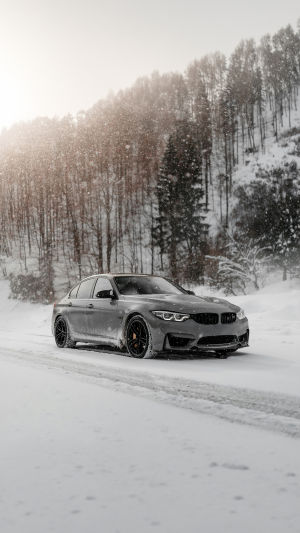
Winter driving presents unique challenges, from reduced traction and longer stopping distances to poor visibility and rapidly changing road conditions.
Whether encountering black ice, snow-covered roads, or freezing temperatures, drivers must adapt their habits and prepare their vehicles accordingly. By taking preventive measures and exercising caution behind the wheel, motorists can significantly improve safety throughout the winter season.
<h3>Prepare Your Vehicle Before You Start</h3>
Proper vehicle preparation is the foundation of safe winter driving. Before temperatures drop, inspect tire tread depth and tire pressure, as colder weather can cause pressure levels to decrease. In regions that experience frequent snow and ice, winter tires can provide improved traction and control.
Drivers should also ensure that brakes are functioning correctly, the battery is in good condition, and the cooling system contains the appropriate antifreeze mixture. Keeping the fuel tank at least half full may help reduce moisture accumulation within the fuel system during extremely cold weather.
Equally important is removing snow and ice from the entire vehicle before driving. The roof, hood, trunk, windows, lights, and mirrors should all be cleared to maximize visibility and reduce potential hazards for other road users.
<h3>Reduce Speed and Increase Following Distance</h3>
Winter road surfaces often provide less grip than dry pavement, making it more difficult for vehicles to accelerate, corner, and stop safely. Snow, slush, and ice can significantly increase stopping distances, even at moderate speeds.
Drivers should reduce speed according to road conditions and maintain a greater following distance from vehicles ahead. Additional caution is especially important near intersections, bridges, and overpasses, as these areas tend to freeze more quickly and remain icy for longer periods.
<h3>Know How to Respond to a Skid</h3>
If a vehicle begins to skid, remaining calm is essential. Sudden steering, braking, or acceleration can worsen the situation and further reduce control.
When the rear of the vehicle slides, steer smoothly in the direction of the skid while gradually easing off the accelerator. For vehicles equipped with anti-lock braking systems (ABS), apply firm and steady pressure to the brake pedal. Drivers of vehicles without ABS should use gentle brake modulation to help prevent wheel lockup.
<h3>Maintain Clear Visibility</h3>
Visibility plays a critical role in winter driving safety. Windshields, windows, mirrors, and lights should remain clean and free of snow, ice, and condensation at all times.
Use a winter-grade windshield washer fluid designed to resist freezing and replace worn wiper blades when necessary. Headlights should be used whenever visibility is reduced by snowfall, fog, sleet, or heavy precipitation, helping both the driver and other road users see more clearly.
<h3>Keep an Emergency Kit in Your Vehicle</h3>
Even well-prepared drivers can encounter unexpected situations during winter travel. Carrying a properly equipped emergency kit can provide valuable support if roadside assistance is delayed or weather conditions worsen unexpectedly.
Useful items include a blanket, flashlight, jumper cables, ice scraper, small shovel, first-aid kit, drinking water, non-perishable snacks, a portable phone charger, and traction materials such as sand for slippery surfaces.
<h3>Avoid Travel During Severe Weather</h3>
There are times when delaying a trip is the safest decision. Severe winter storms, icy roadways, and extremely limited visibility can substantially increase driving risks.
Before departing, review weather forecasts and road condition updates. If conditions are unsafe, consider postponing travel until visibility improves and road surfaces become safer for driving.
Safe winter driving begins with preparation and depends on disciplined driving habits. Maintaining a roadworthy vehicle, reducing speed, increasing following distance, and remaining alert to changing conditions can greatly improve safety during cold-weather travel. By planning ahead and exercising sound judgment, drivers can navigate winter roads with greater confidence while helping to protect themselves and others throughout the season.


