

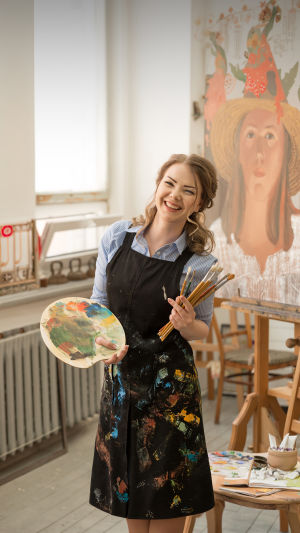
The world of painting has transformed dramatically over centuries, and the techniques artists use today reflect a fascinating evolution from classical methods to contemporary innovation.
Painting has been a central part of human expression for thousands of years, evolving from prehistoric cave walls to today's digital screens. The contrast between these approaches reveals how creativity adapts while maintaining its core purpose of storytelling and emotion.
<h3>Understanding Traditional Methods</h3>
Traditional painting emphasizes skill, craftsmanship, and realistic representation. These techniques rely on time-tested tools like brushes, charcoal, natural pigments, and traditional painting materials, requiring years of practice. Mastery is achieved through precise execution and adherence to established principles.
The purpose of traditional art is to preserve and portray life as it is, with artists striving for beauty, clarity, and precision. Traditional artworks often focus on religion, mythology, culture, and everyday life. Traditional art follows principles of symmetry, perspective, and anatomy, creating works that demonstrate technical excellence and historical continuity.
<h3>Exploring Modern Approaches</h3>
Modern painting encompasses a wide range of innovative artistic movements and contemporary practices. It is often more experimental, breaking free from conventional boundaries and encouraging new ways of thinking about art.
Artists use materials such as acrylics, inks, spray paint, and digital media. Modern art frequently emphasizes interpretation rather than direct representation, inviting viewers to engage with ideas, emotions, and symbolism. Themes often explore psychology, imagination, personal experience, and abstract concepts, allowing individual expression to take center stage.
<h3>Key Differences in Practice</h3>
While oil paint remains an important medium, acrylic paint has become one of the most widely used materials in modern painting. This shift reflects broader changes in artistic philosophy, accessibility, and creative flexibility.
Modern art offers greater freedom for experimentation and personal interpretation, whereas traditional painting often emphasizes established techniques and artistic discipline. Traditional art is widely admired for its craftsmanship and technical mastery, while modern art is valued for its innovation, originality, and diversity of expression.
<h3>The Future of Both Worlds</h3>
The future of painting increasingly involves a blend of traditional craftsmanship and modern technology. Many artists combine hand-painted techniques with digital tools, creating works that draw from both artistic traditions and contemporary innovation. Virtual reality and artificial intelligence are also contributing to the development of new creative possibilities.
Traditional painting continues to connect audiences with history, heritage, and technical excellence, while modern painting expands opportunities for experimentation, accessibility, and artistic exploration. Together, these approaches enrich the artistic landscape and provide diverse avenues for creative expression.
Traditional and modern painting represent different approaches to artistic expression, each with its own strengths and purpose. While traditional art emphasizes established techniques and craftsmanship, modern art encourages innovation and creative exploration. Together, they demonstrate the enduring ability of art to evolve while remaining a powerful form of human expression.


