

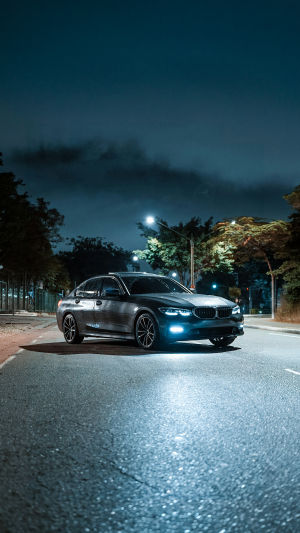
Hello, Lykkers! Ever notice how everything feels different when you're behind the wheel after dark?
The road seems narrower, lights are sharper, and your senses feel like they're working overtime. That's because nighttime driving demands a whole different approach than cruising around in daylight.
The reality is sobering. Fatal accidents are three times more likely at night compared with the daytime, according to the National Highway Traffic Safety Administration. But understanding what makes night driving risky and knowing how to adapt can dramatically improve your safety on those evening commutes and late-night trips.
<h3>The Visibility Challenge</h3>
Here's something most drivers don't realize: your headlight typically shines 160 feet in front of you, but even at 40 mph, you need 190 feet to stop. That gap between what you can see and what you need to stop safely is what makes speed adjustments so critical after dark.
Dirty or damaged headlights can decrease your visibility and cast glare onto oncoming drivers, so clean headlights and windshields regularly. A quick wipe-down before heading out can make a genuine difference in how well you see and how safely others can navigate around you.
<h3>Master Your Speed</h3>
Slowing down isn't just good advice, it's a necessity. Drivers can't see as much of the road at night as they can during the day, so you should always drive the speed limit at night, and slow down even further if inclement weather or other conditions limit your visibility further. That posted speed limit was designed for ideal daytime conditions, not for when your visual range is cut in half.
Leave at least four seconds of space between you and the vehicle ahead, as this extra cushion allows more time to stop if the car in front of you brakes suddenly. Count it out in your head: "one one-thousand, two one-thousand" and so on. If you're reaching the same spot in less than four seconds, back off.
<h3>Handle the Glare</h3>
Those blinding headlights from oncoming traffic aren't just annoying, they're genuinely dangerous. Staring at the headlights from oncoming traffic can cause discomfort and reduce your reaction time, so when bright lights come your way, look toward the center or the right-hand edge of the road until traffic passes. Your peripheral vision will still track the vehicle while your direct gaze stays protected.
Adjust your mirrors so other drivers' headlights and high beams won't blind you. Most rearview mirrors have a night setting, that little tab underneath that tilts the glass to reduce glare from behind.
<h3>Smart Use of High Beams</h3>
High beams allow you to see twice as far ahead (500 feet) than low beams (about 250 to 300 feet), making them valuable tools on dark rural roads. But courtesy matters here. Switch to low beams whenever you're within 500 feet of an oncoming vehicle. That's roughly the length of one and a half football fields, so start watching for oncoming lights early.
<h3>Stay Alert to Special Hazards</h3>
Nighttime brings unique dangers. Wildlife is more active during dawn and dusk hours, especially in rural areas, so look for reflective animal eyes and slow down if you see signs warning of wildlife crossings. Those yellow diamond signs aren't just decoration, they mark areas where animals genuinely cross frequently.
Night driving has many hazards, including an increased risk of collisions with wildlife, livestock, and impaired motorists. Stay extra vigilant on weekend nights when the likelihood of encountering impaired drivers increases.
<h3>Combat Fatigue</h3>
Losing two hours of sleep can impair driving ability to a similar degree, and fatigued drivers are three times more likely to be involved in a crash. That's a striking comparison. If you're yawning repeatedly or finding your eyes drifting closed, pull over immediately.
If you're driving long distances, stop every couple of hours to rest and stretch, as fatigue is a major factor in nighttime accidents. Set a timer on your phone if you need to. Twenty minutes at a rest stop is better than the alternative.
The bottom line? Nighttime driving requires conscious adjustments to your speed, awareness, and vehicle preparation. Clean those headlights, slow down, increase your following distance, and stay alert to fatigue. These aren't complicated techniques, but they work. Every time you climb behind the wheel after dark, remember that you're not just driving differently, you need to drive differently. Your safety and everyone else's depends on it.


