

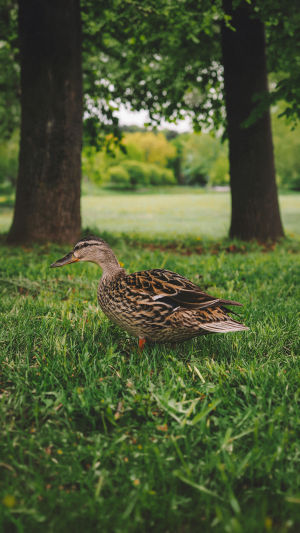
Hi, Readers! You are strolling through the park, enjoying the breeze, when suddenly a squad of wild ducks waddles past like they own the place.
Your first instinct? Dig out whatever snack is in your bag and toss it their way. But hold on, because what you feed these little feathered characters matters a whole lot more than you think.
<h3>Wild Ducks Are Foodie Omnivores</h3>
Mallards, the most common wild ducks you see waddling around parks, are omnivorous and opportunistic. They take advantage of the best foods when most abundant, feasting on larvae of flies, midges, and dragonflies, plus aquatic invertebrates like snails and freshwater shrimp during breeding season. Think of them as tiny, feathered chefs who change their menu with the seasons.
Come winter, their diet shifts mostly to seeds and aquatic vegetation, specifically acorns, corn, rice, and wheat. Basically, they swap their protein-heavy summer buffet for a carb-loaded winter comfort meal. Relatable, honestly.
<h3>Their Absolute Favorite Natural Foods</h3>
Ducks eat a wide variety of wild foods including seeds, fish, aquatic plants, and invertebrates like snails and insects found in bodies of water. But it gets even more specific than that.
Ducks eat aquatic vegetation such as wild rice, wild celery, coontail, pondweed, and widgeon grass. Meanwhile, female ducks tend to eat differently according to the time of year. They prefer a high-protein diet as they prepare to nest and load up on carbohydrates for migration, since the extra carbs help them meet the demands of their lengthy flights.
Many species of wild duck love to snack on smartweed seeds, and submerged portions of the plant provide the perfect habitat for a host of micro and macro invertebrates, which make great high-protein dinner fare for breeding ducks. Nature basically designed a full restaurant inside one plant. Five stars, would recommend.
<h3>What You Can Actually Feed Them at the Park</h3>
So you really want to treat them. Fair enough. Just make sure you are offering something that resembles what they would naturally eat.
Some great options are lettuce or cabbage. Other things you can offer include corn (not popcorn), rice, peas, broccoli, tomatoes, and most fruits except citrus.
It turns out that ducks are quite partial to sweetcorn, and you can offer it tinned, frozen, or fresh. Veggies and fruits are great duck treats, with watermelon, strawberries, lettuce, peas, and tomatoes being among the top favorites. Oats also have good nutrition, and they mostly float on water long enough for waterfowl to eat them.
Ducks and geese eat insects, too, so a special treat of mealworms or freeze-dried crickets would likely be enjoyed! Yes, bugs. Do not make that face.
<h3>The Big Bread Problem</h3>
Here is the part where the fun gets a little serious. Most people associate feeding ducks at a park with giving them bread, which is definitely the wrong food.
Giving bread to wild ducks is basically like giving them candy. There is virtually no nutritional value in it, especially white bread, but the birds only know it is a free and abundant food source, so they fill up on those empty carbs. Imagine eating nothing but cotton candy every day. That is the duck bread situation.
If everyone visiting a park only gives a few pieces of bread or crackers to ducks, it quickly becomes the bulk of what wild waterfowl consume, resulting in nutritional disorders. Waterfowl in public parks are often admitted to wildlife rehabilitation centers with metabolic skeletal disease, where birds have incredibly soft skeletal structures and joints that are often malformed and fractured due to an overall calcium deficiency linked to an inappropriate diet. Not cute at all.
<h3>Foods That Can Actually Harm Them</h3>
Beyond bread, a few things should never make it into the duck feeding lineup. Avoid citrus fruits like oranges, lemons, and limes, as well as other high-acid fruits like mango and pineapple, which can induce digestive issues. Avocados are a healthy snack for humans, but they are poisonous to birds, particularly ducks, and can induce heart failure. Also, several types of mold are fatal to ducks, so never toss out anything stale or questionable.
<h3>How to Feed Them the Right Way</h3>
Ducks do not chew their food, so make sure whatever you offer is in bite-sized portions so the ducks can eat them easily. If feeding wild ducks, stop when they are no longer interested in eating, and do not leave leftover food lying around, as it can rot and cause algae blooms that affect wildlife and attract large rodent populations.
Next time you bump into a crew of wild ducks at the park, you will know exactly what to bring and what to leave at home. Skip the bread, grab some peas or oats, chop things into small pieces, and let those waddling foodies have the nutritious meal they actually deserve.
They have been managing their diet for thousands of years without our help, but a healthy treat now and then? They will absolutely quack for it.


