

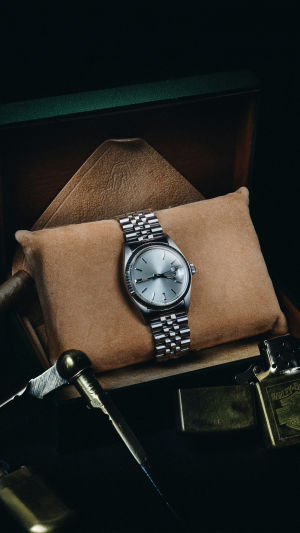
Walk into a watch shop, and the gap between a $150 Seiko and a $15,000 Rolex can seem impossible to justify. Both tell time. Both are accurate.
However, one has decades-long waiting lists and resale values that often outperform most traditional investments.
Understanding why requires a clear grasp of how the watch world actually works — knowing where different brands genuinely earn their price versus where you are mostly paying for the logo.
<h3>The Entry Level — $100 to $500</h3>
Seiko and Orient dominate this tier, and for good reason. Seiko is one of the few watch manufacturers in the world that makes essentially everything in-house — movements, crystals, hands, cases. Seiko 5 Sports or Seiko Prospex at $150 to $300 are genuinely well-made mechanical watches with reliable movements, decent water resistance, and designs that will still look good in twenty years. Orient sits in the same category, focusing on traditional design and in-house automatic movements at prices that feel almost unreasonably low. These watches offer real mechanical craft for everyday money.
<h3>The Sweet Spot — $500 to $2,000</h3>
This is where things get interesting. Hamilton (Swiss-made) and Tissot offer serious quality in this range — proper automatic movements, sapphire crystal glass, and designs suitable for multiple occasions. Seiko's Presage line sits at the top of this tier with dial craftsmanship that genuinely rivals watches costing three times as much. Longines occupies the upper end with Swiss heritage and elegant dress watch options that feel luxurious without demanding luxury pricing. For most people who want a daily watch they'll wear proudly for decades, this range offers the best value in the entire market.
<h3>The Prestige Tier — $3,000 to $10,000</h3>
Omega and Tudor anchor this range. Omega’s Speedmaster carries deep historical significance and continues to blend heritage with technical innovation, featuring Co-Axial escapements and METAS-certified movements that excel against magnetic fields. Tudor, Rolex’s sibling brand, delivers similar case construction and movement quality at a more accessible price, with the Black Bay line earning strong respect among enthusiasts. Grand Seiko competes directly with Swiss prestige, with Zaratsu polishing techniques producing mirror finishes that rival watches twice the price.
<h3>Rolex and the Iconic Tier — $8,000 and Up</h3>
Rolex's unique position comes from a combination of factors: exceptional build quality using proprietary 904L stainless steel, highly precise movements, robust water resistance, and decades of cultural association with achievement and success. They also have the strongest resale value of any watch brand — certain models appreciate like investments. Entry-level Rolex models, such as the Oyster Perpetual or Datejust, start around $7,000 to $9,000 new. Acquiring one at retail often requires relationship-building with an authorized dealer and significant waiting time.
<h3>Above That — Patek Philippe and Audemars Piguet</h3>
These are the "holy trinity" of watchmaking alongside Vacheron Constantin — brands where mechanical complexity, hand-finishing, and prestige combine at a level the market below simply can't match. A Patek Philippe entry piece starts around $20,000 and goes dramatically higher. These watches are as much investments as they are timepieces, with documented appreciation over decades. Most people won't own one, but knowing they exist demonstrates the pinnacle of horological craftsmanship.
Choosing a watch isn’t just about price; it’s about the story, craftsmanship, and joy of wearing it. Whether you start with a reliable Seiko or aspire to a Patek Philippe, select a watch that you’ll wear every day. After all, the best watch is the one that accompanies your life, not one that gathers dust in a safe.


