

There's a reason certain homes feel genuinely inviting while others feel like a showroom.
The ones that feel lived-in and personal almost always have a mix of furniture styles — pieces from different eras, different aesthetics, different origin stories.
When it's done well, that combination has more warmth and character than any perfectly matched suite could ever deliver. And the good news is that it doesn't require an expert eye to pull off. It requires a few clear principles.
<h3>Find the Common Thread</h3>
The single most important rule when mixing furniture styles is establishing something that connects all the pieces together, even when they look different on the surface. That common thread could be a shared color palette — everything stays within the same tonal family even if the styles vary widely.
It could be similar materials — pieces that all use natural wood, even in different finishes, read as related. It could be consistent scale — furniture that's all roughly the same visual weight sits together naturally regardless of style differences. Once you identify your thread, it becomes the filter through which every addition to the room gets evaluated.
<h3>Mixing Without the Mess</h3>
The most common fear with mixing styles is ending up with a room that feels chaotic. Three practical strategies prevent that. First, use color to unify — artwork is particularly effective here because it can tie together both color and theme while visually anchoring the room. Second, introduce contrast thoughtfully rather than exhaustively: one or two contrasting elements create interest, but piling on too many competing styles reads as confusion rather than curation.
A vintage chair in a modern living room works beautifully; five different vintage pieces from five different periods starts to feel like a flea market. Third, balance visual weight — heavy, bold statement pieces need to be offset with lighter, softer elements. A dramatic Victorian settee paired with streamlined modern side tables and airy lighting creates harmony.
<h3>Blend High Investment and Found Pieces</h3>
One of the most effective and genuinely practical ways to mix furniture is combining quality investment pieces with more affordable finds or vintage scores. The logic is simple: for large pieces that see daily use — sofas, dining tables, beds — quality and longevity matter, so it's worth spending there. For character and personality, smaller pieces sourced second-hand or from vintage markets work beautifully.
A well-made sofa pairs brilliantly with a quirky side table found at an estate sale. This approach also creates the layered, collected-over-time feeling that makes a home feel genuinely personal rather than assembled in one shopping trip.
<h3>Small Details Tie Everything Together</h3>
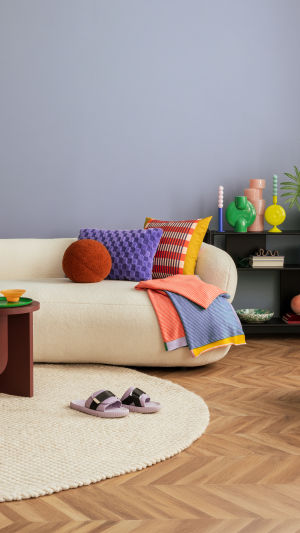
Accessories are underrated connectors in mixed-style rooms. Throw pillows, rugs, artwork, lamps, and decorative objects act as bridges between pieces that might otherwise feel unrelated. A rug that pulls colors from both a contemporary sofa and a more traditional armchair quietly makes those two pieces read as a pair.
Tabletop styling — ceramics, books, small sculptures on a coffee table or console — helps layer mixed finishes, shapes, and textures in a way that builds visual interest without adding furniture. Hardware finishes throughout a room should ideally stay consistent — no more than two metal tones — so the room feels considered rather than assembled by accident.
<h3>Start Small and Build</h3>
If mixing furniture styles feels overwhelming, starting with one contrasting piece in an otherwise cohesive room is the lowest-risk entry point. It could be a vintage chair introduced into a modern living room, or a contemporary accent table placed next to more traditional seating. Take time to live with the combination before making further changes. Mixing furniture is iterative — it's adjusted and refined over time, not installed all at once.
The homes that feel most genuinely personal are usually the ones that evolved gradually, with pieces added when they felt right rather than selected all at once from a single catalog.


