

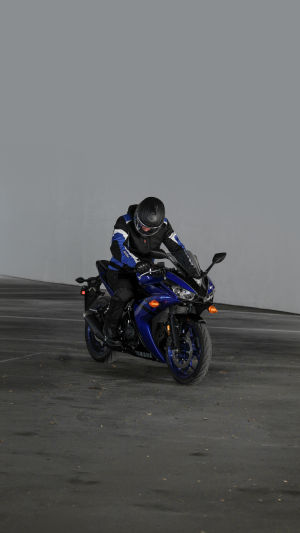
You're preparing for a ride, and the helmet question pops up: full-face for maximum protection, or half-helmet for freedom and comfort?
Choosing the right helmet isn't just about style—it can shape your safety, comfort, and confidence on every ride.
<h3>Full-Face Helmets: Maximum Protection</h3>
Full-face helmets cover the entire head, including the chin and jaw, offering the highest level of protection. They are ideal for long-distance rides, high-speed travel, or unpredictable road conditions.
<b>Benefits include:</b>
- Superior impact protection for the head and jaw.
- Full coverage against wind, debris, and rain.
- Reduced noise and improved aerodynamics at high speeds.
For example, a rider commuting on a highway experienced strong crosswinds. Wearing a full-face helmet not only shielded their face from debris but also reduced strain from wind pressure, allowing for a smoother ride.
<h3>Half Helmets: Freedom and Comfort</h3>
Half helmets cover only the top of the head, leaving the face exposed. They are lighter, more ventilated, and favored for short city trips or low-speed rides.
<b>Advantages include:</b>
- Increased airflow for cooler riding in hot weather.
- Better peripheral vision and situational awareness.
- Easier to put on and remove quickly.
For instance, a city rider using a half helmet on a short commute found it easier to glance around traffic, and the light weight made frequent stops more comfortable.
<h3>Fit and Safety Considerations</h3>
A helmet's fit can make or break its protective value. Even the most protective helmet is ineffective if it is too loose, too tight, or improperly positioned.
<b>Fit tips:</b>
- Measure your head circumference and consult size charts carefully.
- Position the helmet level on your head, with the chin strap snug but comfortable.
- Test for movement by shaking your head gently—good helmets shouldn't shift.
A rider once felt discomfort from a slightly small full-face helmet. Switching to the correct size eliminated pressure points and ensured the helmet would stay secure during a sudden stop.
<h3>Additional Features to Consider</h3>
Modern helmets often come with features that enhance comfort, usability, and protection. From removable liners to sun visors and Bluetooth connectivity, these additions can impact your daily riding experience.
<b>Features to explore:</b>
- Removable and washable liners for hygiene.
- Built-in sun visors for changing light conditions.
- Ventilation systems to prevent fogging and overheating.
For example, a rider in varying weather appreciated a helmet with adjustable vents, keeping them cool in the sun while avoiding condensation on cold, rainy mornings.
<h3>Choosing the Right Helmet for Your Riding Style</h3>
Your choice depends on your typical rides, speed, environment, and personal comfort preferences. Full-face helmets are best for highway and long-distance trips, while half helmets suit short, low-speed rides.
<b>Decision-making tips:</b>
- Assess your regular riding conditions: city, highway, or off-road.
- Prioritize protection without sacrificing comfort—long rides demand both.
- Consider hybrid or modular helmets for versatile options.
A weekend tourer opted for a modular helmet, switching between full coverage on highways and an open face in city traffic. This adaptability offered both safety and convenience without compromising either.
Helmets are more than gear—they're the line between a minor incident and serious injury. Understanding the differences between full-face and half helmets empowers riders to make safer, smarter choices that match their style, environment, and comfort. Choosing the right helmet turns every ride into a confident and enjoyable experience.


