

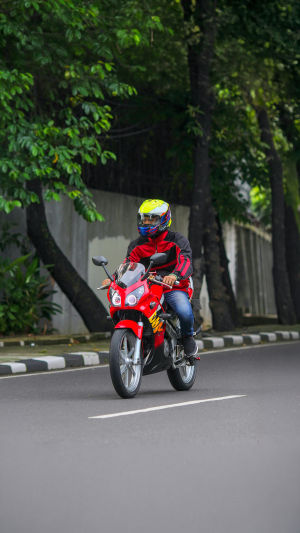
You weave through busy streets, lights changing every few seconds, and vehicles crowding every lane.
In urban riding, speed isn't just about getting there fast—it's about staying alive. Controlling speed in the city can prevent accidents, reduce stress, and make your ride smoother from start to finish.
<h3>Understanding Urban Traffic Dynamics</h3>
City streets are unpredictable. Pedestrians step off curbs, cars change lanes abruptly, and cyclists appear from blind spots. Knowing how these factors interact is key to adjusting your speed safely.
<b>Tips to navigate traffic:</b>
- Observe traffic flow patterns and anticipate stops.
- Maintain a speed that allows you to react to sudden changes.
- Keep a safe following distance to give yourself room to brake.
For example, a commuter riding through downtown noticed that slowing slightly at intersections reduced sudden braking and gave extra time to spot jaywalkers, keeping both them and others safer.
<h3>Balancing Speed with Reaction Time</h3>
Speed directly affects how quickly you can respond to hazards. Faster speeds shorten reaction time, increasing the risk of collisions. Slowing down in high-density areas improves both control and safety.
<b>Actionable strategies:</b>
- Reduce speed in areas with heavy pedestrian traffic.
- Adjust speed based on road conditions, such as wet pavement or potholes.
- Use your brakes in advance rather than abrupt stops.
A rider approaching a congested roundabout reduced speed early, which allowed smooth lane changes and avoided sudden braking that could have startled following vehicles.
<h3>Using Technology to Aid Control</h3>
Modern motorcycles often come with features to help manage urban speed safely. Traction control, ABS, and ride modes can prevent wheel lockup and improve stability.
<b>How to use tech effectively:</b>
- Enable city or rain modes for smoother throttle response.
- Rely on ABS when braking on wet or slippery roads.
- Keep traction control active to prevent wheel slip during quick acceleration.
For example, a rider using ABS and traction control on a rainy morning could confidently navigate intersections without skidding, keeping the ride safe and controlled.
<h3>Mindful Riding Techniques</h3>
Beyond technology, your own habits impact speed safety. Being aware, predicting traffic behavior, and maintaining focus are critical for urban riding.
<b>Techniques to practice:</b>
- Scan ahead for potential hazards and adjust speed proactively.
- Avoid tailgating or weaving aggressively through traffic.
- Keep your body relaxed to respond smoothly to changes.
A city rider practicing these techniques noticed reduced stress and fewer sudden stops, making the commute less tiring and safer.
<h3>Planning Routes and Timing</h3>
The route you choose and the time of day you ride affect how much you need to adjust speed. Avoiding congested streets or peak hours can help maintain steady and safer speeds.
<b>Route planning tips:</b>
- Use quieter side streets instead of major avenues during rush hour.
- Identify intersections known for congestion and plan alternatives.
- Schedule rides during off-peak hours when possible.
A daily commuter mapped a route through parallel streets, avoiding main thoroughfares at 8 a.m. This reduced stop-and-go riding, allowing smoother control and safer speed management.
Controlling speed in urban riding isn't just about following limits—it's about staying alert, using your skills and technology, and anticipating traffic behavior. Each conscious adjustment not only protects you but also creates a calmer, more predictable ride for everyone sharing the road.


