

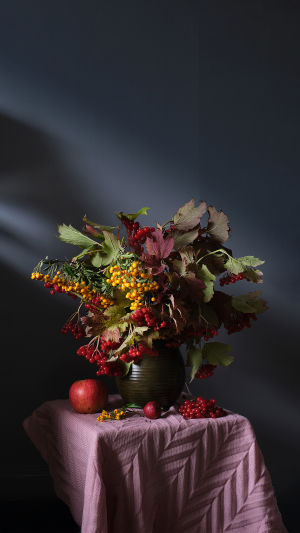
Flower arranging is a wonderful way to bring color, fragrance, and life into your home.
For beginners, the process may seem daunting, but with a few key tips, anyone can create beautiful floral displays.
The first step is understanding the flowers and tools you'll need. Selecting blooms that complement each other in color, texture, and size forms the foundation of a harmonious arrangement. Start with a small collection of seasonal flowers, which are often fresher and more affordable.
<h3>Choosing the Right Flowers</h3>
The choice of flowers largely determines the final look of your arrangement. <b>1.</b> Start with a focal flower, such as a rose or sunflower, which will draw the eye. <b>2.</b> Add filler flowers like baby's breath or daisies to provide volume and softness. <b>3.</b> Include greenery or foliage, which enhances the arrangement's structure and adds contrast. Paying attention to color combinations is important; beginners often find success with analogous colors (colors next to each other on the color wheel) for a cohesive look.
<h3>Selecting Containers and Tools</h3>
The container is as important as the flowers themselves. A simple vase can complement an arrangement, but beginners might enjoy experimenting with teapots, jars, or bowls for unique displays. Ensure the container is clean and has sufficient water. Tools such as sharp scissors, floral tape, and a floral frog (a device to hold stems in place) help maintain stability and prolong the life of your flowers. Always trim stems at an angle to maximize water absorption.
<h3>Basic Arrangement Techniques</h3>
Creating a balanced arrangement relies on a few simple techniques.
<b>1.</b> Start by placing the tallest flowers in the center or at the back, depending on the arrangement's orientation.
<b>2.</b> Fill in around these focal points with medium-sized blooms, keeping symmetry in mind.
<b>3.</b> Use greenery to fill gaps and soften edges.
For beginners, the “triangle” layout is a reliable method: it gives structure and guides the placement of different flower types. Avoid overcrowding the container—air and space make the flowers appear lively and natural.
<h3>Maintaining Freshness</h3>
Proper care ensures that your hard work lasts. Change the water daily and remove any wilting flowers promptly. Keep the arrangement away from direct sunlight, heating vents, or drafts, as these can accelerate wilting. Mist the blooms lightly to maintain humidity, especially for delicate flowers. By tending to your arrangement, you prolong both the visual impact and the enjoyment of your floral creation.
<h3>Creative Tips for Beginners</h3>
Once the basics are mastered, beginners can explore creative variations. Experiment with asymmetrical designs, layered heights, or themed color schemes. Seasonal themes, like spring pastels or autumn oranges, can add a festive touch to your home. Try grouping multiple small vases together for a modern effect or integrating unconventional materials, such as branches or dried flowers. Each experiment helps you understand balance, proportion, and harmony in floral design.
<h3>Reflections on Flower Arranging</h3>
Flower arranging is not just a decorative craft—it's a mindful and calming activity. Beginners often find that the process of selecting, cutting, and placing blooms fosters patience and creativity. The satisfaction of seeing a harmonious bouquet come together encourages continued exploration. Over time, small arrangements transform into signature displays, each reflecting your personal style. Remember, the beauty of flower arranging lies in experimentation, and even simple creations can bring immense joy and elegance to any space.


