

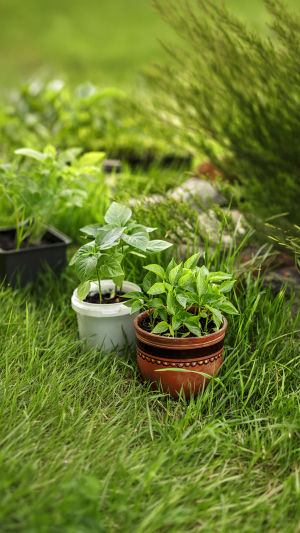
Chillies, aubergines, and sweet peppers are warmth-loving crops that need a long growing season to reach their full potential.
Unlike tomatoes, which can tolerate a slightly shorter season, these plants require early sowing to ensure they flower, fruit, and ripen before autumn temperatures begin to drop. Delaying sowing can result in plants that are stunted or fail to produce a full harvest.
Early sowing also helps seedlings develop strong roots and sturdy stems. By starting now, gardeners give their plants the advantage of more daylight and stable indoor conditions, which encourages healthy, resilient growth.
<h3>Essential Materials</h3>
<b>1. Seeds</b> – Select your favourite varieties of chilli, aubergine, and sweet peppers. Opt for high-quality seeds to ensure higher germination rates.
<b>2. Compost</b> – Use multi-purpose, peat-free compost that drains well yet retains moisture. Avoid garden soil, which can compact and suffocate delicate seedlings.
<b>3. Pots</b> – Begin with small 7.5cm pots for initial germination, moving to 10cm pots and eventually up to 30cm pots as plants grow.
<b>4. Optional Equipment</b> – A heated propagator can dramatically speed up germination, particularly in cooler homes. Grow lights can also help seedlings develop strong stems if windowsills are not bright enough.
<h3>Sowing Seeds Step by Step</h3>
<b>Step 1:</b> Fill your small pots with compost, leaving 1 cm below the rim. Firm gently to remove air pockets, water lightly with warm water, and allow it to drain. Sow four to five seeds per container, spaced evenly so each seed has room to develop.
<b>Step 2:</b> Cover seeds with a thin layer of compost or vermiculite. Keep the environment humid by covering with a clear plastic bag secured with an elastic band, or place the pots in a propagator with a lid. Heated propagators set to approximately 25ºC create ideal conditions for rapid germination. Place the pots on a bright windowsill, avoiding direct harsh sunlight that may scorch young seedlings.
<b>Step 3:</b> For gardeners short on time, ready-grown plug plants are available via online suppliers. When they arrive, water them if dry, and repot into 10cm containers, taking care not to damage the roots.
<h3>Transplanting and Growing On</h3>
<b>Step 4:</b> Once seedlings reach 5–6cm tall, carefully transplant them into individual 7.5cm pots. Gently tease apart roots if compacted, make a hole in fresh compost, and position the seedling. Firm the compost around the roots and water thoroughly. Return plants to a sunny windowsill, keeping the soil moist but not waterlogged. Rotate seedlings daily to prevent them from leaning towards the light.
<b>Step 5:</b> Continue potting on as plants become rootbound, moving gradually to 10cm, then 20cm, and finally 30cm pots. This step ensures strong root development and reduces transplant shock. Once night temperatures consistently exceed 10ºC, plants can be moved to an unheated greenhouse or conservatory.
<h3>Tips for Healthy Growth</h3>
<b>1. Light:</b> Seedlings need at least 12–14 hours of light each day. Consider supplemental LED grow lights if natural light is insufficient.
<b>2. Watering:</b> Keep compost consistently moist, but avoid overwatering, which can cause root rot. Water gently to prevent disturbing fragile seedlings.
<b>3. Fertilising:</b> Once true leaves appear, feed with a diluted liquid fertiliser every 1–2 weeks to support vigorous growth.
<b>4. Air circulation:</b> Adequate airflow prevents fungal diseases. Avoid overcrowding pots and gently fan seedlings occasionally.
<b>5. Patience:</b> Chillies, aubergines, and peppers are slow to grow initially, but consistent care results in high-quality plants capable of producing abundant, flavorful fruits.
<h3>Final Thoughts</h3>
Sowing seeds early is the foundation for a successful season. With attention to light, water, and gradual transplanting, even first-time gardeners can grow healthy, productive plants. Each step, from seed to mature plant, builds resilience and rewards your effort with vibrant fruits. Taking the time now ensures that by harvest, your hard work translates into a bountiful and satisfying crop.


