

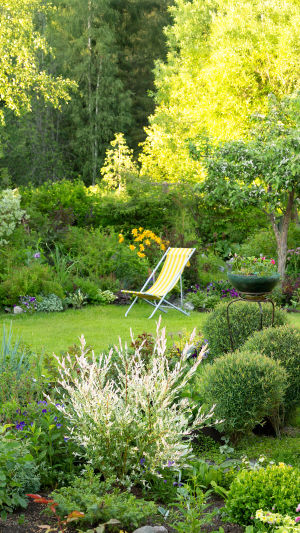
Gardening trends evolve every year—not in giant leaps, but in ways that quietly shift what we plant, how we design, and what we value. In 2026, the biggest changes aren't just about looks—they're about mindset.
Climate awareness, support for pollinators, and maximizing the beauty and utility of outdoor spaces are taking center stage. Whether your garden is huge or tiny, there's something here to inspire you this spring.
<h3>Maximalism Is Back, and It's Lush</h3>
Gone are the sparse, minimalist gardens of the past decade. This year, the trend is dense, layered, and overflowing with life. Borders are packed with plants of varying heights and textures, and bold color combos are in—think deep golds, soft lavenders, and creamy whites all mingling together. Maximalism brings warmth, drama, and a sense of welcome to any garden.
<b>Style Tip:</b> Dense mixed borders
<b>Color Palette:</b> Deep golds, rusts, lavenders, creams
<h3>Gardening for Wildlife Goes Mainstream</h3>
Pollinator-friendly gardens are no longer niche. In 2026, entire garden plans are designed to support bees, butterflies, birds, and beneficial insects. Native plants are key—they need less water, less care, and provide essential habitat. Rewilding edges and leaving seedheads over winter creates corridors for wildlife while still looking intentional.
<b>Focus:</b> Bees, butterflies, birds
<b>Technique:</b> Rewilding and native planting
<h3>Water-Wise Gardening Is Essential</h3>
With droughts becoming more frequent, gardens need to conserve water. Gravel beds, xeriscaping, and drip irrigation are trending, paired with drought-tolerant plants like lavender, salvia, and agapanthus. Water-efficient design doesn't mean sacrificing beauty; your garden can stay lush even in dry summers.
<b>Techniques:</b> Gravel beds, drip irrigation
<b>Plants:</b> Lavender, salvia, ornamental grasses
<h3>The Kitchen Garden Renaissance</h3>
Kitchen gardens are now as much about aesthetics as utility. Raised beds in cedar or Corten steel look stunning while producing herbs, tomatoes, and greens. Companion planting with flowers adds beauty and benefits plants. Beyond cost savings, tending your own food has measurable wellbeing benefits, reducing stress and boosting mood.
<b>Materials:</b> Cedar, Corten steel
<b>Benefit:</b> Homegrown flavor + mental wellness
<h3>Soft, Muted Palettes Replace Bold Colors</h3>
Bright pinks and electric oranges are giving way to subtle, timeless tones. Think ash-pink, muted lavender, powdery blue, misty silver, and warm greige. These shades feel natural, romantic, and harmonious with the environment—perfect for golden-hour views and overcast days alike.
<b>Color Examples:</b> Blush roses, faded purple salvia, pale blue agapanthus
<b>Effect:</b> Timeless and romantic
<h3>Trends to Try in 2026</h3>
The best garden trends are the ones that let you do what you love. Plant densely, grow more food, leave a corner wild, and choose soft, elegant tones over bright, flashy colors. In 2026, abundance, sustainability, and subtle beauty are not just acceptable—they're exactly right.


