

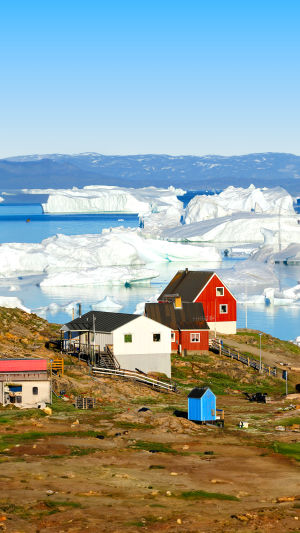
Flying into Greenland is an adventure in itself. Most international visitors land at Kangerlussuaq or Nuuk airports, both of which are equipped for mid-sized jets. Flights from Europe, particularly Copenhagen, are the most common.
Once you touch down, the vastness of the Arctic landscape is immediately apparent—rolling ice sheets meet dramatic fjords, with tiny settlements scattered along the coastline.
Transportation within Greenland relies heavily on small aircraft, ferries, and snowmobiles in winter. If you're planning to explore beyond the main towns, booking regional flights or guided tours in advance is essential. For instance, helicopter tours in Ilulissat can give you a bird's-eye view of the UNESCO-listed ice fjord, which is otherwise hard to reach.
<h3>Exploring Glaciers and Fjords</h3>
The glaciers and fjords of Greenland are the main draw for adventurous travelers. Ilulissat Icefjord is a standout attraction, where massive icebergs break off from the glacier and drift into the sea daily. The sheer scale is hard to capture in photos—you'll see ice blocks as tall as 70 meters floating through the turquoise waters. Guided boat tours are available for about $85–$120 per person and provide close-up views, with knowledgeable guides explaining how climate and ocean currents shape these formations.
Hiking enthusiasts can explore trails along the fjord edge. A popular route starts from Ilulissat town and winds along coastal cliffs, offering stunning panoramas of icebergs and the Greenland Sea. Bring sturdy boots, waterproof layers, and a pair of binoculars for spotting seals or even whales nearby.
<h3>Wildlife Encounters</h3>
Greenland's wildlife is as dramatic as its landscape. From penguins and arctic foxes to reindeer, the opportunities for observation are abundant. Kayak tours in Nuuk and Disko Bay provide chances to see whales near icebergs. Local guides, who know the patterns of migration, are invaluable—they can often point out animals that would otherwise go unnoticed.
Photography enthusiasts should plan for early morning or late afternoon light, when the low sun casts long shadows over ice formations, enhancing textures and colors. Even a simple compact camera with a zoom lens can capture memorable wildlife moments.
<h3>Greenlandic Culture and Settlements</h3>
Though sparsely populated, Greenland's towns offer a glimpse into a resilient Arctic culture. Nuuk, the capital, has a small but vibrant art scene, with museums like the Greenland National Museum showcasing traditional clothing, tools, and storytelling traditions. Small settlements, such as Sisimiut or Qaqortoq, provide an authentic glimpse of daily life, where locals continue subsistence fishing and hunting practices.
Staying in family-run guesthouses or small hotels allows you to connect directly with residents, ask questions, and enjoy home-cooked meals. Meals typically feature fresh seafood, including shrimp, halibut, and arctic char, often served with locally foraged herbs. Prices range from $20–$40 for a full meal, depending on location.
<h3>Practical Travel Tips</h3>
Timing is Everything – Summer (June to August) offers milder temperatures, long daylight hours, and access to coastal hiking trails. Winter brings opportunities for northern lights viewing and snow activities but requires heavy winter gear and careful planning.
Pack Smart – Layering is key. Even in summer, temperatures can fluctuate dramatically. Waterproof jackets, thermal layers, and sturdy footwear are essential. Sunglasses and sunscreen are surprisingly important because sunlight reflects off ice and snow.
Book Early – Accommodations are limited, especially in smaller towns. Reserve flights and lodgings at least 2–3 months in advance, particularly if visiting Ilulissat or Nuuk during peak season.
Local Guidance – Hiring local guides ensures both safety and deeper insight into Greenland's ecosystems. They also provide cultural context, explaining local customs and sustainable practices that help protect fragile landscapes.
<h3>Unique Experiences Not to Miss</h3>
Snow and Ice Tours: In Ilulissat or Kangerlussuaq, small group tours offer guided exploration of icy landscapes and frozen terrain, with instruction, warm gear, and scenic travel over snow-covered areas.
Northern Lights: If visiting in winter, choose small settlements away from light pollution. February and March are ideal for viewing.
Ice Cave Exploration: Guided excursions inside glaciers reveal stunning blue ice formations. Tours can range from $90–$150, and prior booking is recommended.
Greenland is a destination where nature dominates and human settlements adapt to extreme conditions. It's not just the scale of icebergs or the quiet of fjords—it's the feeling of being in a place where the landscape shapes every aspect of life. Traveling here requires preparation, but the rewards are unparalleled: dramatic scenery, rich wildlife encounters, and the chance to step into a world unlike anywhere else on Earth.
Next time you're craving an adventure far from the crowds, imagine walking alongside colossal icebergs, feeling the crisp Arctic air, and spotting wildlife in its natural habitat. Greenland invites travelers to experience the Arctic in its rawest, most unforgettable form.


