

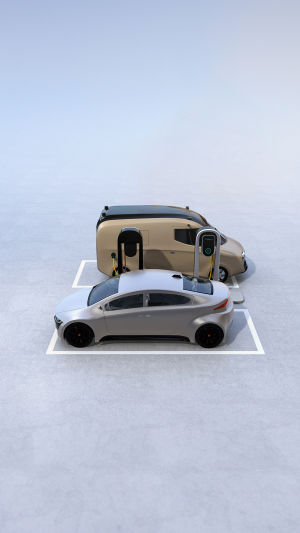
Do you remember when owning a car was all about buying the vehicle, keeping it in your garage, and using it whenever you needed? Things have changed.
The way we think about car ownership has been evolving, especially with the rise of digital technologies.
From apps that allow us to rent cars for just an hour to innovations in autonomous vehicles, the traditional model of car ownership is no longer the only option.
In the digital age, the question isn't just "What car should I buy?" but "What's the best way to use a car when I need it?" Let's explore how car ownership is changing and what it means for the future of driving.
<h3>The Rise of Car-Sharing and Rentals</h3>
Imagine you're heading to a meeting across town. Instead of owning a car that sits unused for most of the day, you can rent one through a mobile app—just when you need it. Car-sharing services like Zipcar, Turo, and Getaround have made renting a car as simple as booking a ride-share.
With these services, people can access vehicles for short-term use, whether it's for a weekend road trip or just running errands. The convenience and flexibility of car-sharing have made it an attractive alternative to traditional car ownership. Plus, with options to rent a car from a private owner or a fleet, users can choose from a wide variety of cars, from a sports car to an eco-friendly hybrid.
<b>Cost-Effective:</b> No need for hefty monthly payments, insurance, or maintenance costs. You only pay for what you use.
<b>Convenience:</b> Rent a car for just a few hours or days without the hassle of owning and parking one.
<b>Flexibility:</b> Choose the type of vehicle that suits your needs, whether you're transporting furniture or taking a road trip.
<h3>The Growth of Subscription Services</h3>
Car subscription services are a step up from car-sharing. Imagine a service where you pay a monthly fee to access a variety of cars. Unlike traditional car leasing, car subscriptions allow you to switch vehicles as often as you like. This model is becoming increasingly popular among those who want to drive a new car regularly without the long-term commitment.
For example, services like Volvo's Care by Volvo or Porsche Passport let subscribers pay a monthly fee that includes the car, maintenance, insurance, and even the option to swap vehicles. It's a great solution for people who want flexibility but don't want the ownership burden.
<b>No Long-Term Commitment:</b> Car subscriptions allow users to switch vehicles whenever their needs change.
<b>All-Inclusive Pricing:</b> The monthly fee covers maintenance, insurance, and other costs, simplifying the process.
<b>Variety:</b> Choose a different car based on your lifestyle or plans, whether it's a luxury sedan for business or an SUV for family trips.
<h3>The Impact of Ride-Hailing and Autonomous Cars</h3>
Ride-hailing apps like Uber and Lyft have already disrupted traditional car ownership. Instead of driving your own vehicle, you can now get picked up and dropped off wherever you need to go with the tap of a button. This has made car ownership unnecessary for many city dwellers who rely on these services to get around.
But the future doesn't stop there. Autonomous vehicles, or self-driving cars, are on the horizon. Once these cars become widespread, we could see a shift from owning a car to just ordering a self-driving vehicle whenever you need it. This could completely eliminate the need for individual car ownership, especially in urban areas where public transportation and ride-hailing are already well-established.
<b>Convenience of Ride-Hailing:</b> No need to worry about parking, gas, or maintenance. Just book a ride and go.
<b>Efficiency of Autonomous Cars:</b> Self-driving cars can drive us to our destination while we relax, work, or catch up on life.
<b>Shared Economy:</b> Fewer people may need to own cars, which could lead to fewer cars on the road and less congestion in cities.
<h3>The Environmental Impact of Changing Ownership Models</h3>
As people move away from traditional car ownership, it's also having a positive impact on the environment. The rise of shared and subscription-based car services means fewer cars on the road, which can help reduce traffic congestion and lower emissions.
Moreover, as more people adopt electric cars and eco-friendly options through shared fleets, the automotive industry is making strides toward greener, cleaner transportation. People who would have traditionally bought gas-powered vehicles now have access to electric models without committing to the long-term costs associated with ownership.
<b>Reduced Emissions:</b> Car-sharing and ride-hailing can reduce the overall number of cars on the road, leading to lower emissions.
<b>Electric Cars on the Rise:</b> More electric vehicles are being included in shared and subscription services, making it easier for people to access eco-friendly transportation.
<b>Less Traffic:</b> Fewer cars on the road mean less congestion and a reduction in the need for expansive parking lots and garages.
<h3>What Does This Mean for Traditional Car Ownership?</h3>
Despite the growing popularity of digital car services, traditional car ownership isn't going away anytime soon. For some, owning a car provides a sense of independence, and for others, it's simply more practical for their daily needs. However, as we continue to see the rise of alternative models, traditional ownership will likely become less common among younger generations, who prioritize flexibility and convenience over long-term investment.
In many cases, people are now considering whether owning a car is even necessary. With options like car-sharing, subscription services, and ride-hailing, the future of car ownership is much less about owning and more about access.
<b>For the Independent:</b> Traditional car ownership is still appealing for people who need a car regularly and value the convenience.
<b>For the Flexible:</b> Digital services like car-sharing and subscriptions cater to those who prefer variety, cost savings, and sustainability.
<b>For the Urbanite:</b> People living in cities with reliable public transportation may opt to skip car ownership entirely, relying on shared or ride-hailing services.
As the digital age continues to evolve, so too will the way we think about and experience car ownership. With a growing number of options available, individuals now have the power to choose the most efficient and cost-effective way to get around. Whether it's by subscribing to a car service, sharing a vehicle, or opting for a ride-hailing app, the future of transportation is about access, not ownership.
If you're considering ditching the traditional car ownership model, now might be the perfect time to explore the digital alternatives—who knows, the car of tomorrow might just show up at your doorstep!


