

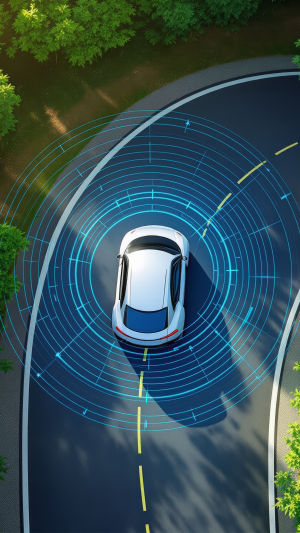
Imagine this: you're standing at a bus stop, checking your watch, waiting for the next bus to arrive. It's running late.
Now, imagine you don't have to wait at all because a self-driving car picks you up, takes you directly to your destination, and costs about the same as a regular bus ride.
That might sound like science fiction, but autonomous vehicles (AVs) are quickly moving from the realm of possibility to reality—and they could drastically change how we think about public transportation.
So, how exactly will autonomous vehicles impact public transit systems, and what does this mean for commuters like you?
<h3>Efficiency and Convenience</h3>
One of the biggest benefits of self-driving cars is their ability to operate with higher efficiency than traditional vehicles. Without human drivers, AVs can reduce the number of accidents caused by human error and optimize routes for better fuel efficiency. For public transportation, this means buses and trains could run more frequently, and with better timing, as AVs will be able to communicate with one another and adapt to traffic in real time.
For commuters, this could translate to a more reliable experience. Imagine not needing to wait 20 minutes for the next bus because the vehicles are continuously in motion, efficiently picking people up on demand rather than sticking to a rigid timetable.
1. Quicker rides: With autonomous vehicles optimizing traffic flow, you spend less time in transit.
2. On-demand services: Say goodbye to rigid schedules—just hop in a driverless car when you need it.
3. Reduced wait times: AVs can operate with more precision, minimizing delays and overcrowded routes.
<h3>The End of Crowded Buses and Trains?</h3>
Ever felt cramped in a rush-hour bus or train? With autonomous vehicles, we could see a shift toward a more personalized experience. Instead of squeezing onto a crowded bus, you could book a self-driving vehicle to pick you up from your location, taking you directly to your destination.
While this may sound like the end of traditional public transit, it could actually complement it. Instead of fully replacing buses and trains, autonomous vehicles could operate in tandem, filling in the gaps during off-peak hours or when demand is lower. For example, in less densely populated areas, AVs could replace traditional buses, providing on-demand services. In urban areas, AVs could serve as shuttles to transport passengers to and from subway stations.
1. Less crowded commutes: With more options available, you won't have to endure packed public transit.
2. Personalized routes: AVs can take you exactly where you need to go, without unnecessary stops.
3. Filling the gaps: Autonomous vehicles can fill in when buses or trains aren't available or aren't as efficient.
<h3>Cost Savings and Sustainability</h3>
In many cities, public transportation relies on costly infrastructure, maintenance, and human labor. With autonomous vehicles, these costs could be significantly reduced. Since AVs would require fewer human drivers, cities could save on salaries and training costs. Additionally, the efficiency of AVs means that energy consumption could be optimized, and fewer cars would be required on the road, which could lead to reduced emissions and less congestion.
For users, this could mean cheaper rides and better value for the money they spend on public transportation. With lower operational costs, AVs could provide affordable, eco-friendly travel options that appeal to a wide range of passengers.
1. Lower operational costs: No need to pay for drivers, reducing expenses for public transit agencies.
2. Greener travel: Self-driving cars can be designed to run on electric power, making them more sustainable.
3. Affordable options: Reduced costs could lead to cheaper tickets for commuters, making travel more accessible.
<h3>Greater Accessibility for All</h3>
One of the most exciting aspects of autonomous vehicles is their potential to increase accessibility, especially for people who face barriers to traditional public transportation. For seniors, people with disabilities, or those who live in areas with limited transit options, autonomous vehicles could offer a game-changing solution.
Instead of relying on specific routes or schedules, AVs could be summoned on demand, providing a door-to-door service that is easy to use and accessible for everyone. This opens up a world of possibilities for people who have previously been excluded from regular public transport services.
1. On-demand service: No need to worry about fixed routes or schedules—AVs are accessible at any time.
2. Improved mobility for seniors and disabled individuals: AVs could offer specialized features to meet diverse needs.
3. Inclusive transit: Autonomous vehicles can bridge gaps in service for people in underserved areas.
<h3>Challenges and Considerations</h3>
While autonomous vehicles bring many exciting possibilities, their integration into public transportation systems will not come without challenges. First, there's the question of infrastructure—cities will need to invest in roadways and digital systems that allow AVs to operate safely. Public transit agencies will also need to adapt to this new technology, from training staff to developing policies around AV safety and regulation.
Moreover, there's the issue of public trust. Many people still feel uneasy about self-driving cars. To ensure that AVs are widely accepted, manufacturers and transit authorities will need to focus on demonstrating the safety and reliability of autonomous vehicles.
1. Infrastructure upgrades: Roads, communication systems, and regulations will need to be updated for AV integration.
2. Safety and regulation: Proper safety standards must be established to make sure AVs are as safe as conventional public transport.
3. Public trust: Many people will need reassurance that autonomous vehicles are reliable and safe for daily use.
The rise of autonomous vehicles is set to have a profound impact on the way we think about public transportation. While they may not completely replace traditional transit systems, they have the potential to complement them by offering more efficient, cost-effective, and personalized services. In the near future, self-driving cars may become a vital part of how we get around, making commuting more convenient, greener, and accessible for everyone.
As the technology continues to evolve, it's worth asking: Are you ready for a future where a driverless car picks you up at your door, and public transit is more personalized and sustainable than ever before?


