

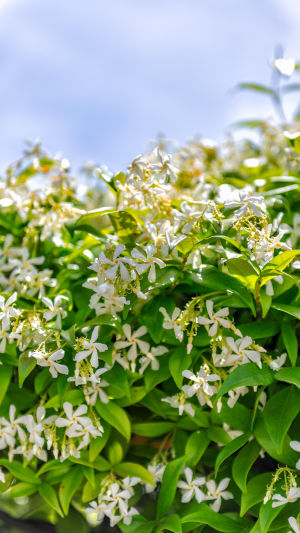
Jasmine plants are loved for their fragrant white or yellow flowers, often used in perfumes and teas.
If you're growing jasmine at home, you want to ensure it blooms to its fullest potential. One of the key elements in achieving healthy, blooming jasmine is proper watering and sunlight exposure.
With just a few adjustments to your care routine, you can enjoy the beauty and fragrance of jasmine year-round.
<h3>1. Understanding Jasmine's Watering Needs</h3>
Jasmine requires consistent moisture but doesn't tolerate soggy conditions. Overwatering can lead to root rot, while underwatering can cause the leaves to yellow and the plant to weaken. It's essential to find a balance.
<b>Here's how to water your jasmine effectively:</b>
Water when the top of the soil feels dry: Stick your finger into the soil to check moisture levels. If it feels dry an inch or so down, it's time to water.
Water deeply but not frequently: When watering, do so thoroughly until water begins to drain out of the bottom. This ensures the roots get enough moisture without being waterlogged.
Allow the soil to dry between waterings: Jasmine prefers evenly moist soil, but it should never stay wet for too long. Make sure the soil dries out slightly between waterings.
An example of proper watering is during the warmer months, when you may need to water your jasmine about once every 3-4 days. In cooler months, cut back to once every week or so, depending on how dry the air is.
<h3>2. Provide the Right Amount of Sunlight</h3>
Jasmine plants thrive in full sunlight. If grown indoors, they need at least 4-6 hours of direct sunlight every day. Without enough sunlight, your jasmine will struggle to bloom and its growth may become leggy.
<b>Here are tips for optimizing sunlight exposure:</b>
Place jasmine in a bright, sunny spot: A south or west-facing window is ideal for indoor jasmine plants. Outdoor jasmine should be planted where it receives full sunlight.
Rotate the plant regularly: If growing jasmine indoors, rotate the plant every few days so all sides get an equal amount of sunlight.
Supplement with grow lights if needed: In areas with limited natural sunlight, consider using grow lights to provide your jasmine with the extra light it needs.
For example, if your jasmine is grown inside near a window, but it's not blooming well, try moving it to a spot with more direct sunlight or adding a grow light. After just a few weeks of consistent sunlight, you'll likely see a noticeable improvement in both growth and flowering.
<h3>3. Use Well-Draining Soil</h3>
The right soil is just as important as the right watering habits. Jasmine plants like well-draining soil that allows water to pass through easily but still retains some moisture to keep the roots hydrated. Heavy, clay-like soils can cause water to pool around the roots, leading to rot.
<b>To create the best soil environment for your jasmine:</b>
Use a mix designed for flowering plants: A good-quality, well-draining potting mix with added organic matter, such as perlite or sand, is ideal.
Consider adding a layer of gravel: If growing in a container, place a layer of small gravel or stones at the bottom to improve drainage and prevent water from sitting around the roots.
Repot as needed: Jasmine may outgrow its current space, so consider repotting it every year or two to refresh the soil and encourage healthy growth.
For example, if your jasmine's soil seems too compacted or water is not draining properly, try repotting it into fresh, well-draining soil with a mix of organic material and perlite to ensure better root health.
<h3>4. Maintain Humidity for Healthier Growth</h3>
Jasmine plants thrive in moderate to high humidity, especially when grown indoors. Dry air can cause stress, leading to yellowing leaves and stunted growth.
<b>Ways to increase humidity around your jasmine:</b>
Mist the leaves regularly: Lightly mist the foliage once or twice a week to increase moisture in the air.
Place the plant on a humidity tray: Place a shallow tray filled with pebbles and water beneath the plant. As the water evaporates, it will raise the humidity around the jasmine.
Group plants together: If you have other houseplants, group them together. Plants naturally release moisture into the air, so clustering them can create a more humid environment.
For instance, during the dry winter months when indoor air tends to be drier, you can place your jasmine on a humidity tray to keep the air around it moist, helping it to thrive despite the heating in your home.
<h3>5. Prune Regularly for Better Growth</h3>
Pruning is an essential part of jasmine care. It helps remove dead or damaged branches, allowing the plant to focus energy on new growth and encourages a fuller shape.
<b>Here's how to prune jasmine:</b>
Prune after flowering: After the plant has finished blooming, cut back any dead or faded flowers and thin out any overly crowded stems. This helps the plant grow more vigorously.
Cut back to a healthy node: Always prune just above a node (where a leaf or branch meets the stem) to encourage new growth.
Remove any damaged or diseased parts: Regularly inspect the plant for any brown, damaged, or diseased sections and remove them to keep the plant healthy.
For example, if your jasmine grows long and leggy, trim back the longer stems after flowering to encourage bushier, more compact growth.
<h3>Final Thoughts</h3>
Growing jasmine can be incredibly rewarding, especially when it's thriving and producing its fragrant blooms. By managing watering carefully, providing plenty of sunlight, maintaining humidity, and pruning regularly, you'll help your jasmine plant grow strong and healthy.
With the right attention and care, your jasmine will bloom beautifully, filling your space with a sweet, fresh fragrance for months to come.


